Which Campus Workflows Suit a Delivery Robot?
Campus delivery robots are best considered as internal logistics tools for defined journeys. The right use case has repeatable pickup and destination points, suitable items, clear hand-off and a route the robot can reliably traverse.
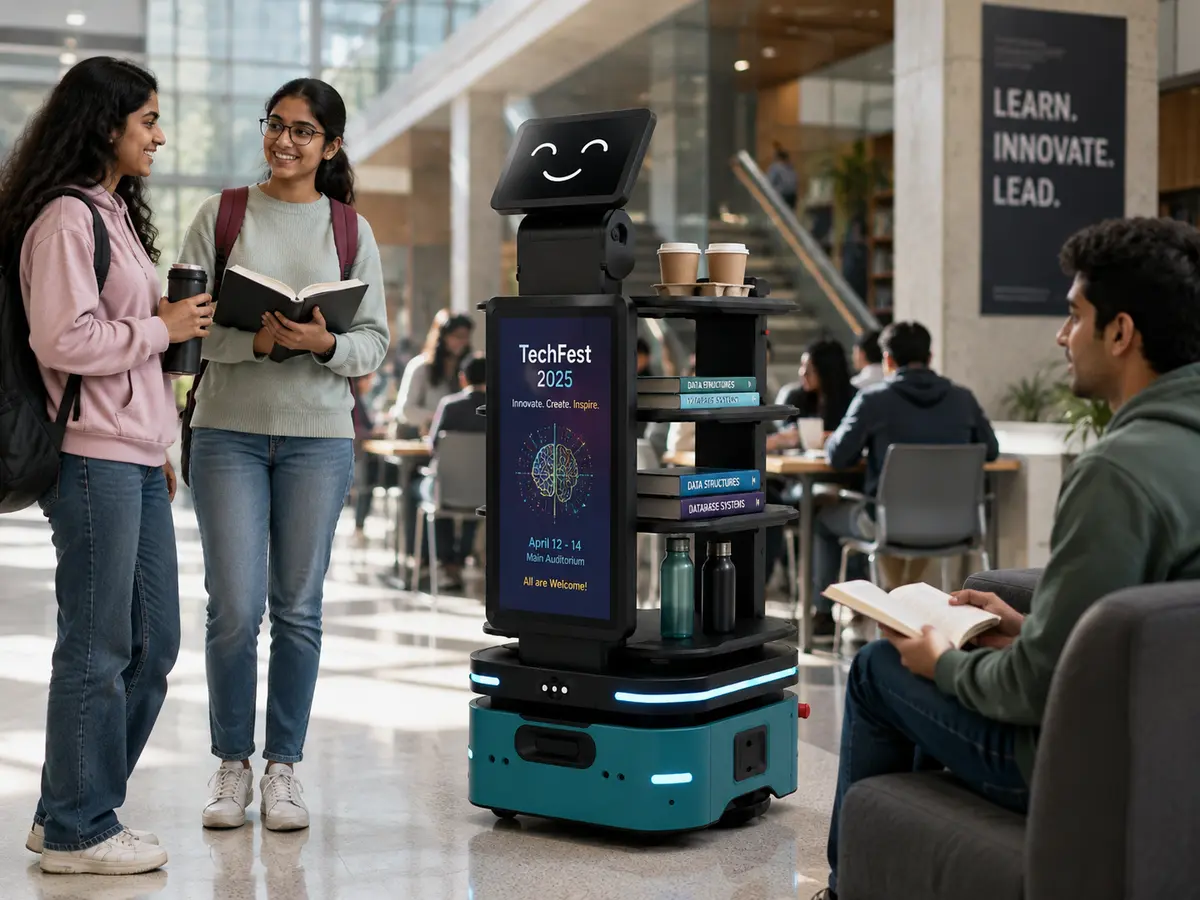
Library books and document movement
A robot can support suitable movement of approved books or documents between defined library and campus service points.
The institution remains responsible for item selection, loading and exceptions.
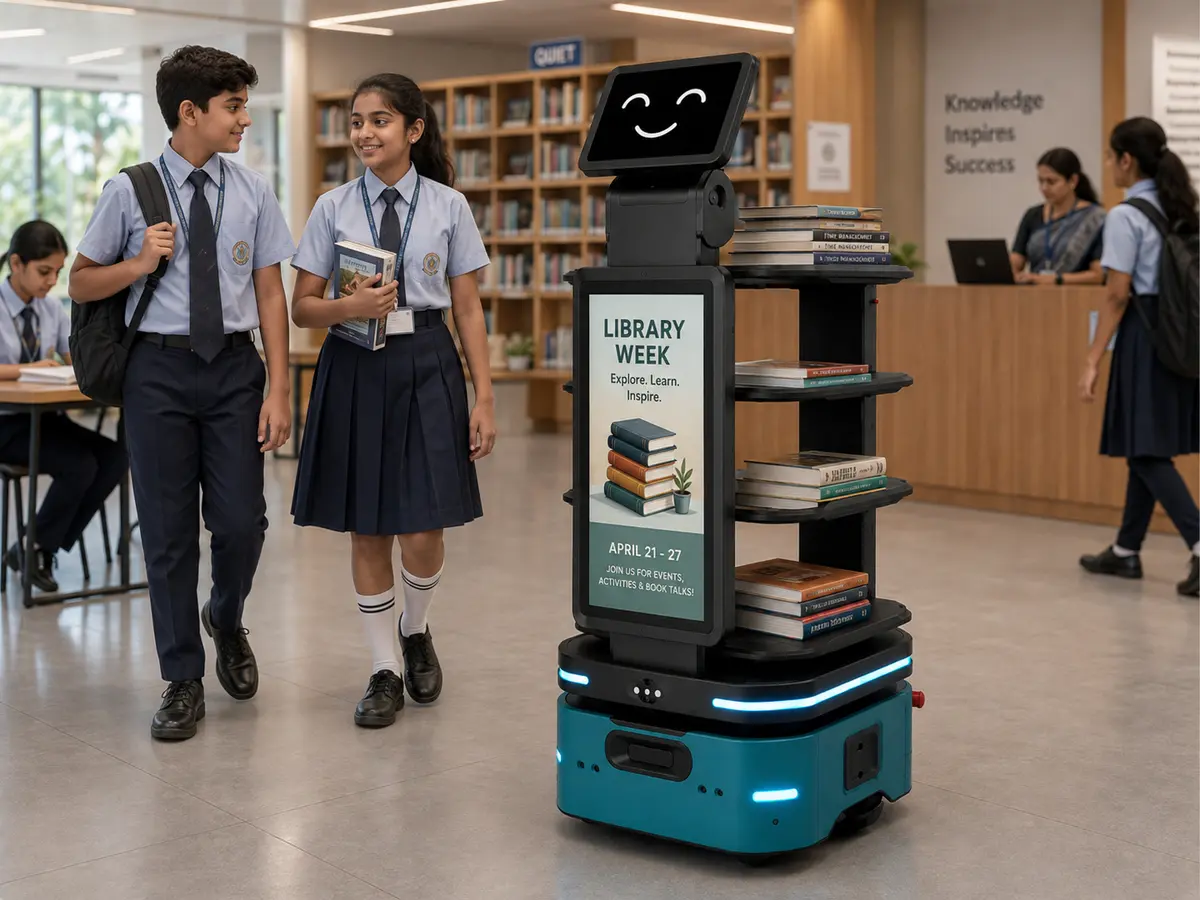
Department-to-department internal delivery
Selected documents, supplies or service items can be moved between mapped academic or administration points.
The route and recipient hand-off should be explicit.
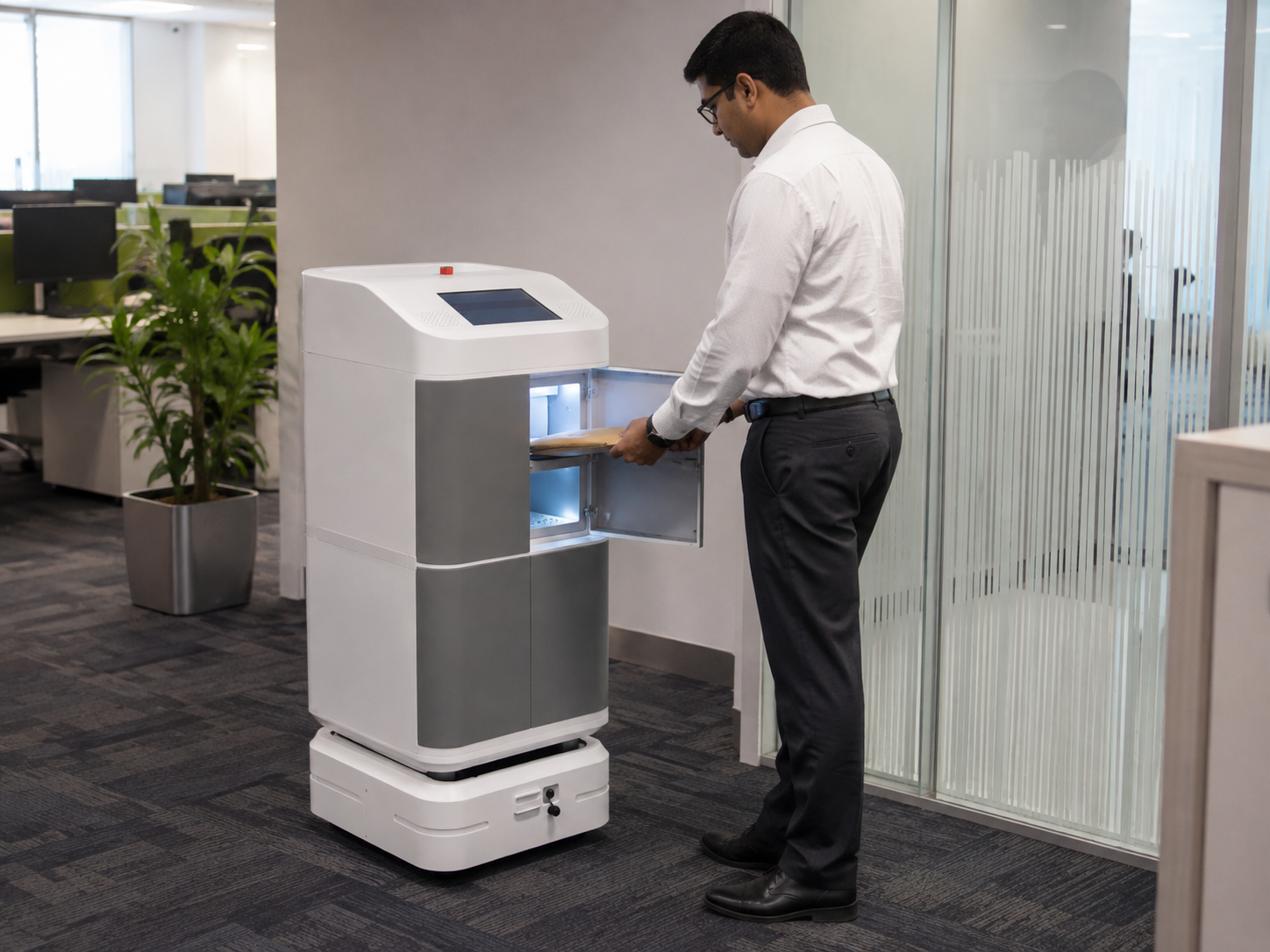
Admin documents and approved supplies
Repeatable admin logistics can be evaluated where item type, route and handling process are appropriate.
Confidentiality or authentication requirements should be explicitly defined rather than assumed.
Selected student-service logistics
Approved service items can be moved between campus service points when the workflow is stable and supervised.
Public-facing operation should account for pedestrian traffic and clear staff escalation.
How do multi-building missions work?
Where the selected platform supports the route, a mission can be planned across connected operating areas with verified building access and hand-off points.
Outdoor transitions and road crossings are project-specific and must be validated separately.
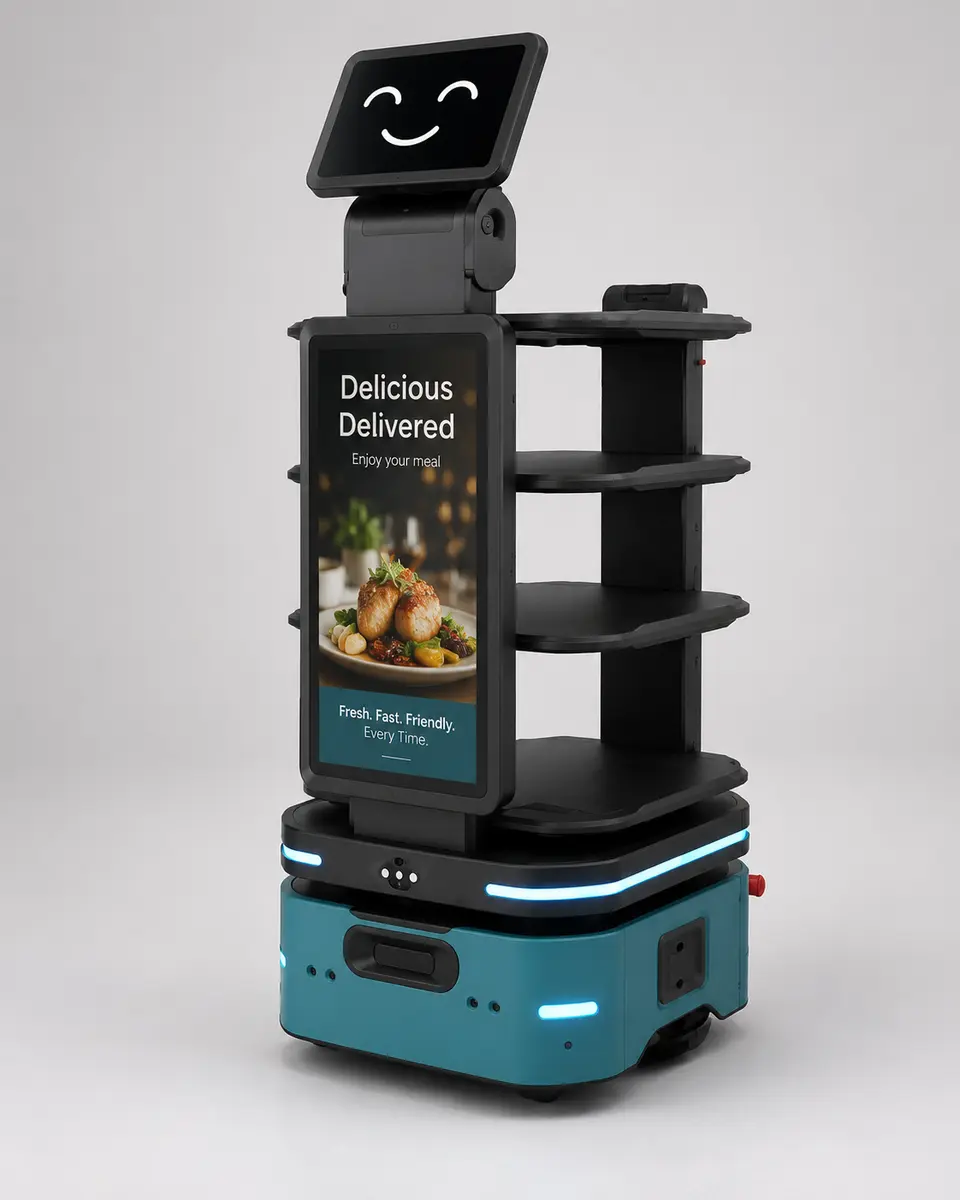
Frequently asked questions
What can a campus delivery robot carry?
The allowable items depend on the selected robot, payload or compartment dimensions and institution-approved handling procedure.
Can it deliver books and documents?
Selected book and document workflows can be evaluated when the items fit the approved robot configuration and hand-off process.
Can it operate between buildings?
Potentially, where route continuity, access conditions, outdoor exposure and the selected robot are suitable.