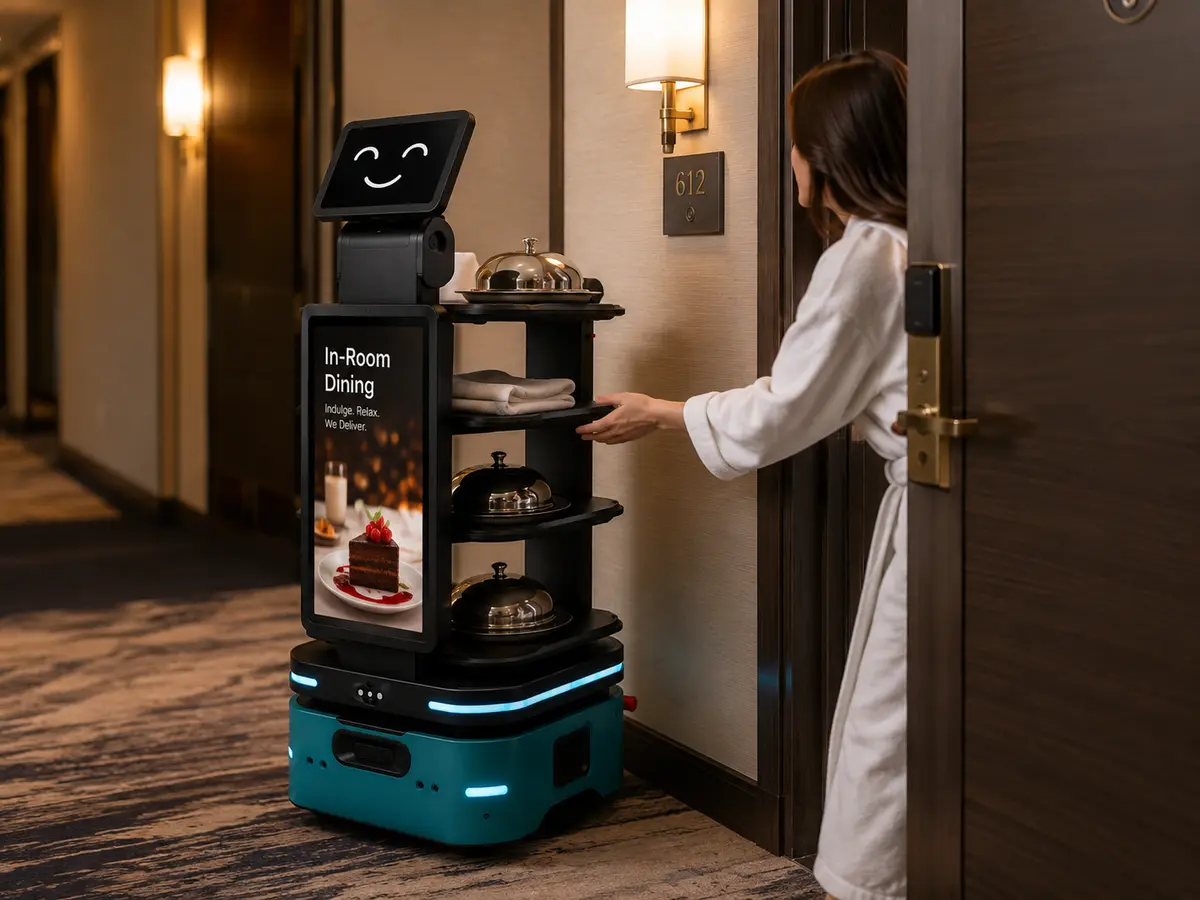
KITCHEN TO FLOOR
Food Running
Support repeatable movement from kitchen or pass to designated dining service points.
Use customer-facing service robots for repeatable movement between kitchen, service stations and dining areas while staff stay focused on guests and exceptions.
Restaurant robotics is strongest where staff repeatedly walk the same routes carrying suitable items. The deployment should support service teams, not remove the human judgement required for hospitality.
Start with repeatable work, clear hand-off points and measurable operating constraints, then select the robot or AI layer that fits the job.
Support repeatable movement from kitchen or pass to designated dining service points.
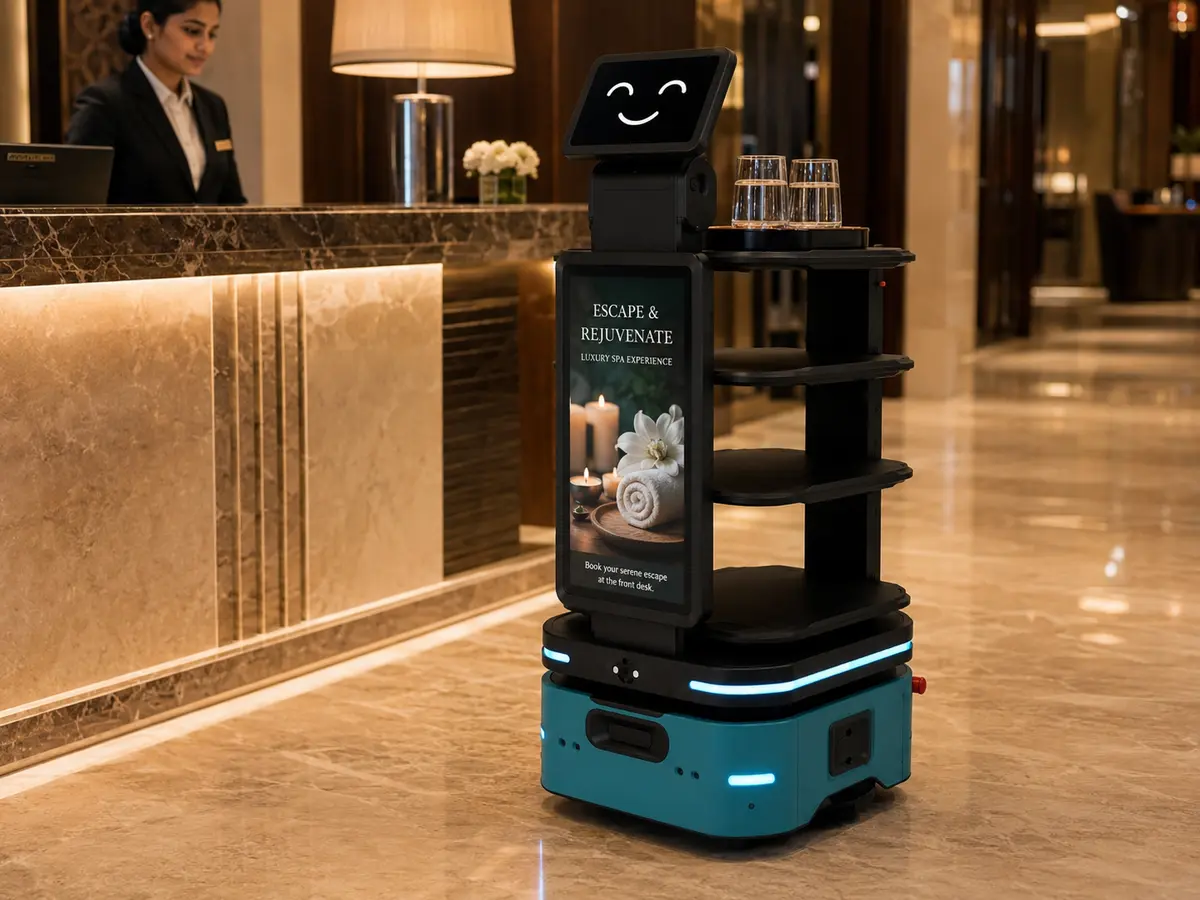
Assist staff with suitable food, beverage and service-item movement in planned dining areas.
Evaluate suitable return journeys from dining areas to defined collection points.
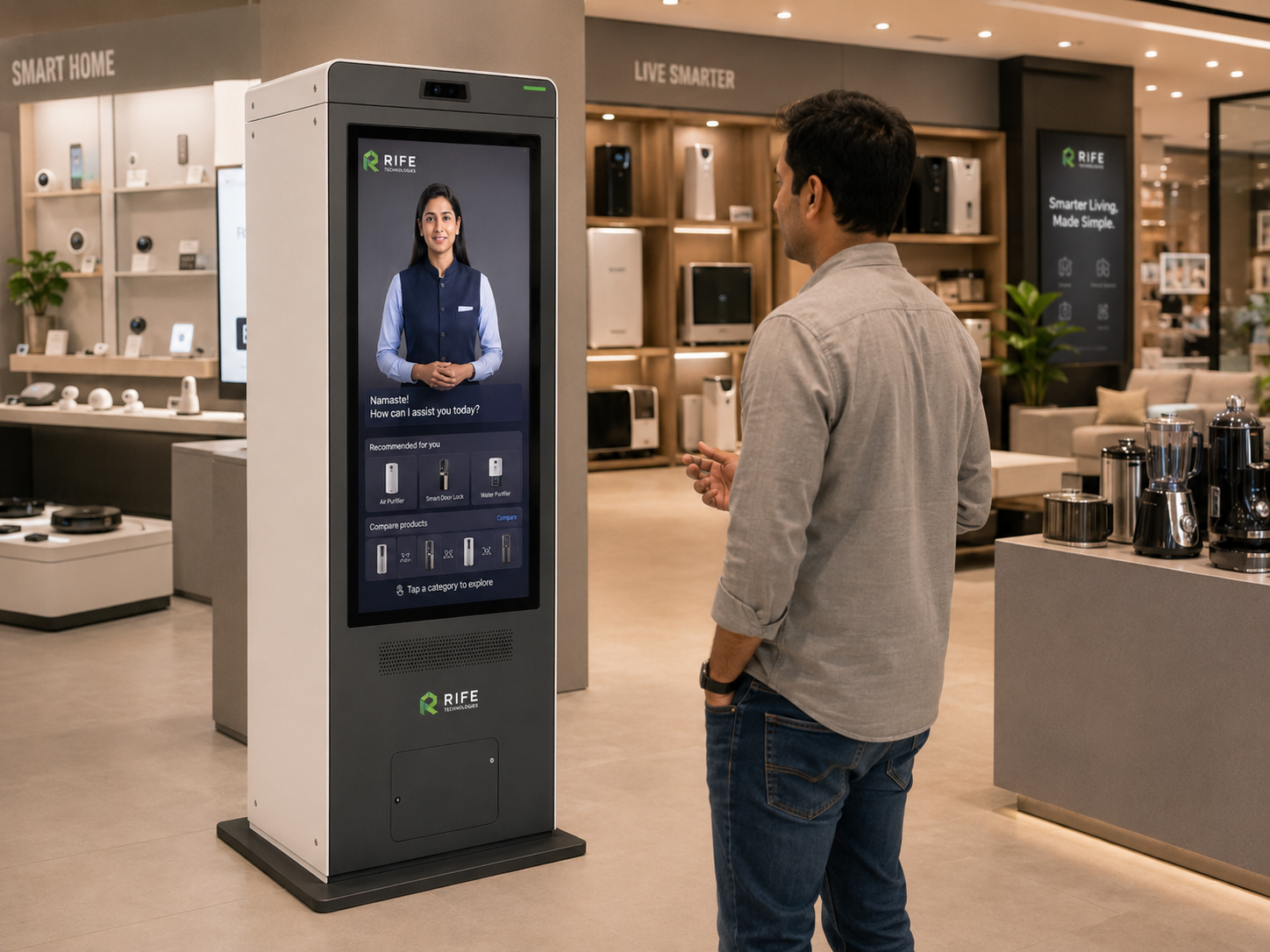
Combine service robotics with approved kiosk or avatar information for selected high-volume venues.
The practical combination is a service robot carrying suitable items while staff and approved digital interfaces handle questions, ordering or guidance according to the restaurant model.
Dining environments change constantly. Operating zones, peak traffic, pickup points and staff hand-offs should be tested in real service periods.
Measure repetitive staff movement between kitchen, service and dining areas.
Choose robot routes, pickup points and hand-off procedures.
Run the workflow during realistic traffic and service conditions.
Train service staff and refine missions around actual guest flow.
Kitchen-to-floor food and service movement.
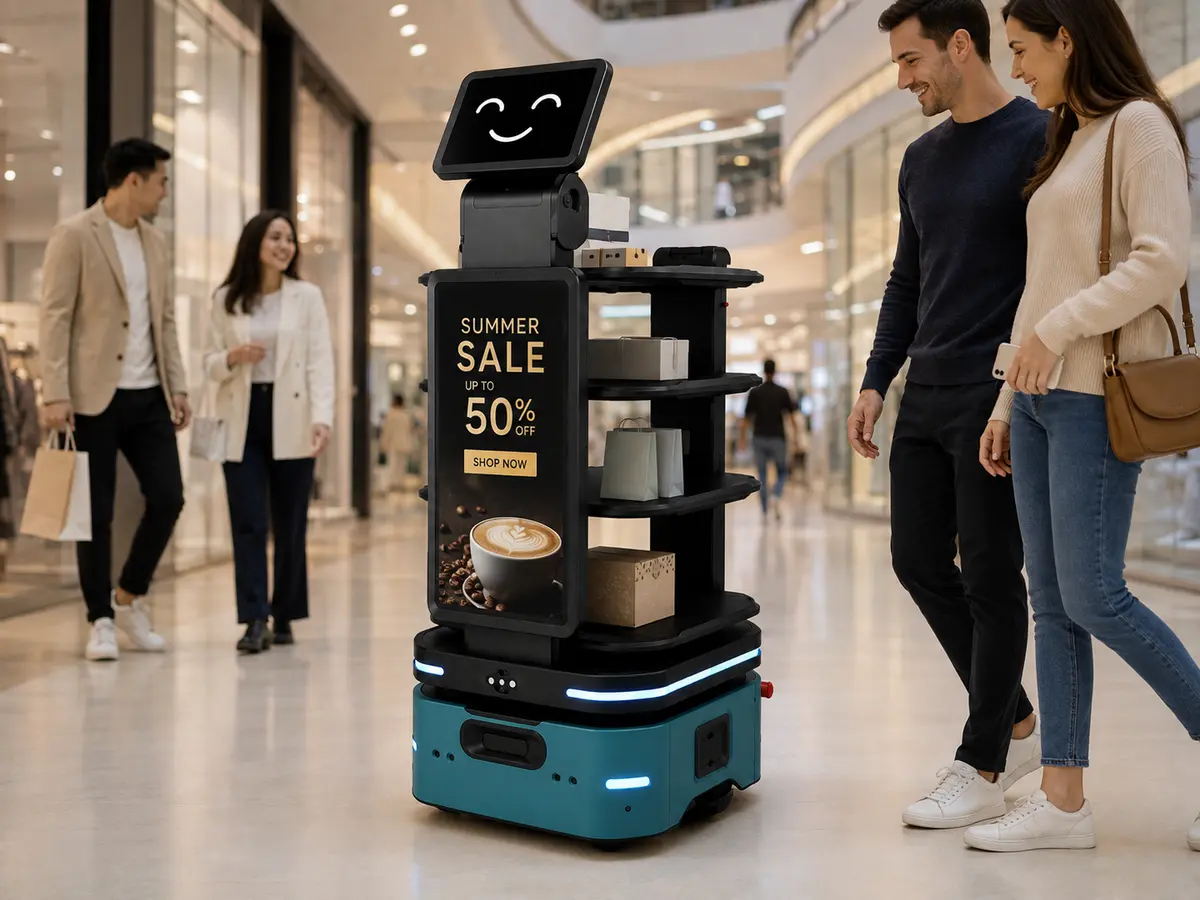
Defined movement in larger commercial dining areas.
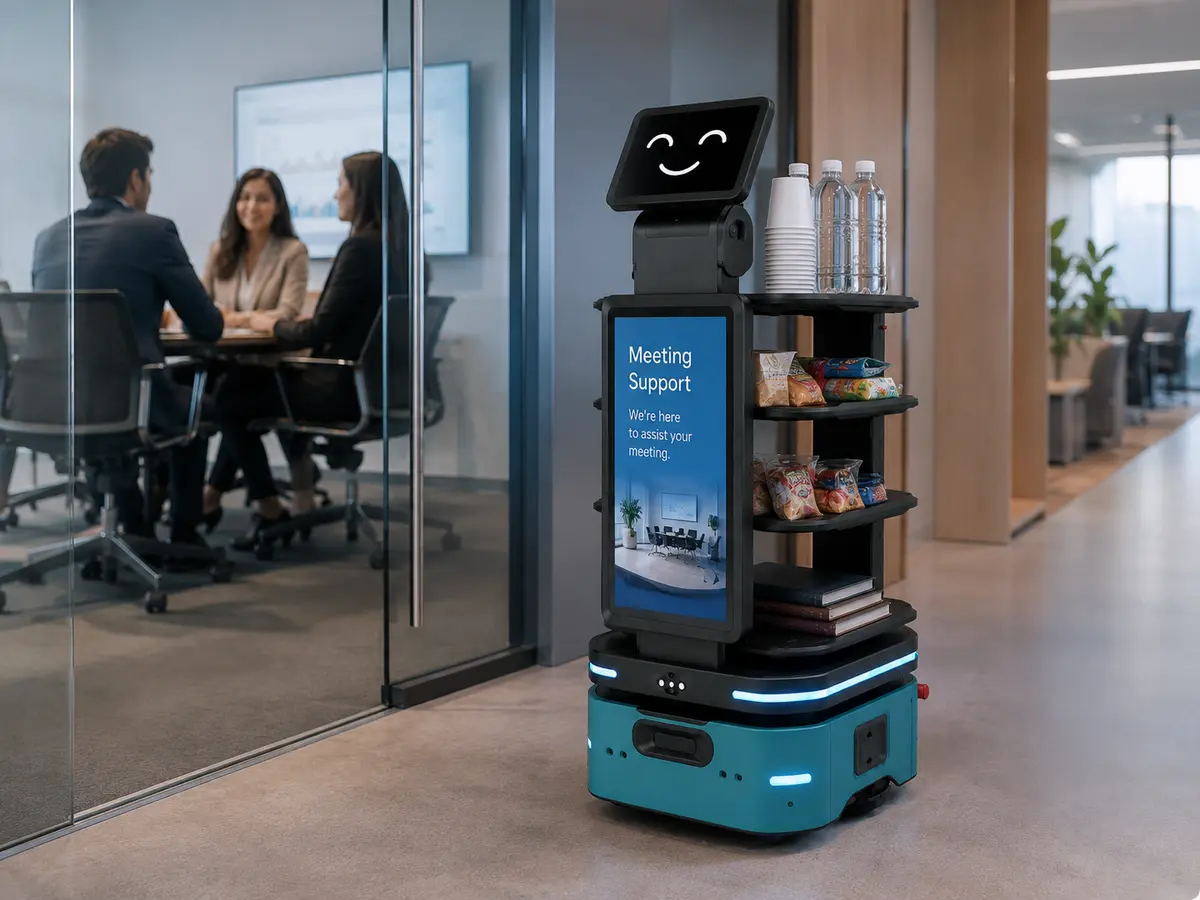
Refreshment and service support for selected event layouts.
Restaurant and lounge service inside hospitality properties.
Exact platform, software, payload, integration, permissions and operating boundaries are confirmed only after site and workflow review.
RIFE positions them primarily as service-support tools for repetitive movement while staff retain guest interaction, judgement and exception handling.
Suitable items can be carried when the selected robot, route, loading method and hand-off procedure are appropriate.
Selected dish-return workflows can be evaluated where collection points, stability and traffic conditions are suitable.
Ordering or self-service integrations depend on the restaurant systems and should be scoped separately.
Share the operating environment, routes, workpoints, payloads, visitor journeys and systems involved. RIFE can map the requirement to the appropriate robot and AI solution mix.