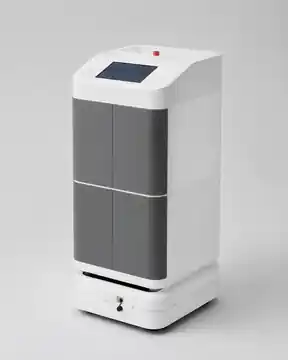
DELIVERY
Delivery Robots
Room, floor and department movement for hospitality, healthcare, offices and campuses.
Choose a service robot or delivery robot around a defined task: move items, clean spaces, guide people and support repeatable indoor workflows with clear ownership and exception handling.
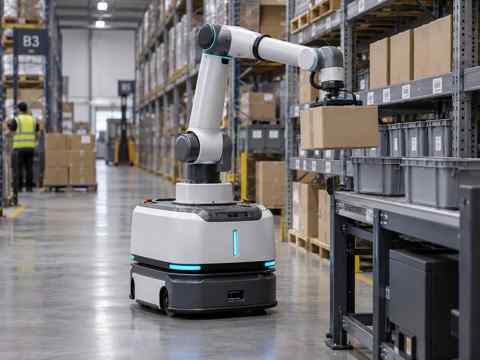
A service robot should be selected around the real workflow. Whether the need is a delivery robot, cleaning robot, telepresence platform or warehouse robot, review payload, route, traffic, lift/door dependencies, charging, hand-off points and exception handling first.
Each application has different route, payload, interaction and integration requirements.
Room, floor and department movement for hospitality, healthcare, offices and campuses.
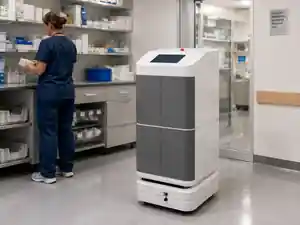
Approved internal material movement across defined hospital routes and hand-off points.
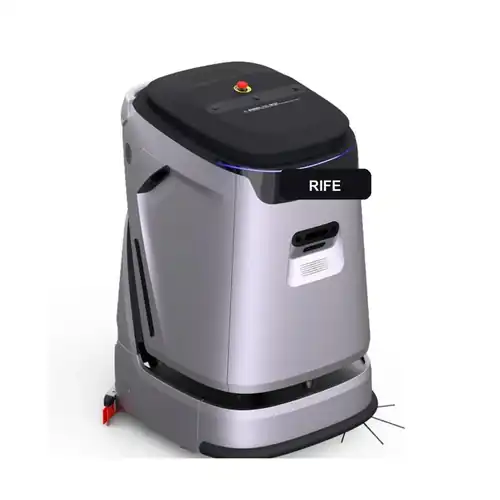
Scheduled autonomous cleaning for selected floor types, zones and operating windows.
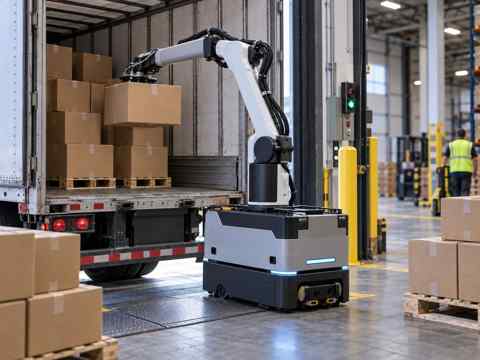
Cargo unloading, inventory scanning and mobile-manipulator workflows.
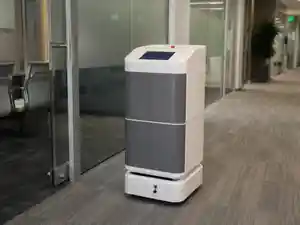
Internal parcel and item movement through approved office routes.
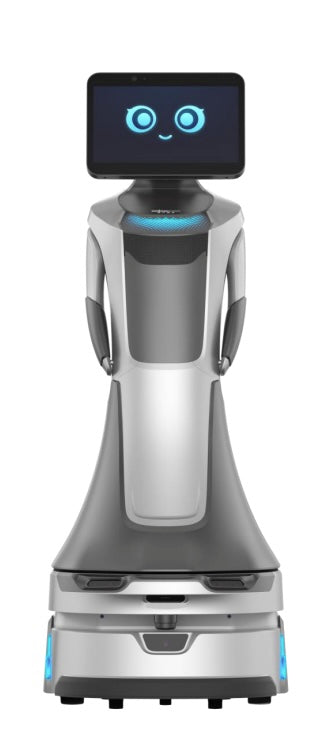
Remote presence, greeting and interaction where a physical platform is appropriate.
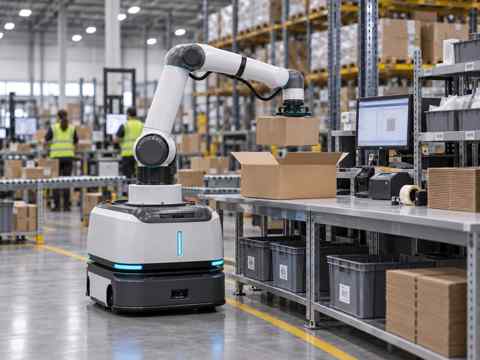
A production robot needs more than autonomous movement. The request, route, hand-off, blocked-path behavior and service owner must work together.
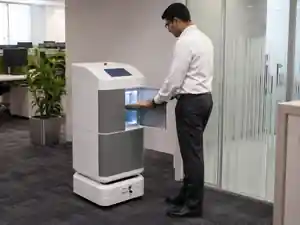
Multi-floor and controlled-area operation depends on the exact building systems and available interfaces.
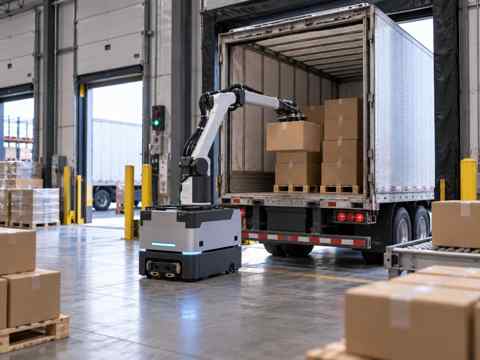
Training, charging, maintenance, support, route changes and exception handling belong in the operating model.
Specify the task, route, hand-off and service level.
Review site, traffic, surfaces, connectivity and integrations.
Configure and test the selected platform in the real environment.
Train owners, monitor exceptions and control changes.
Internal logistics and approved service workflows.
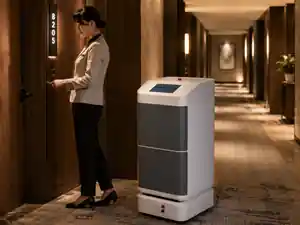
Guest delivery and service workflows.
Parcel movement and workplace service.
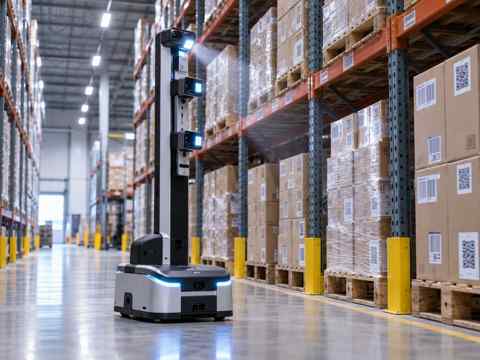
Material movement, scanning and manipulation.
Payload, size, sensors, battery, lift integration and other technical details are tied to the selected platform and approved project configuration.
Start with the task, route, payload or item type, traffic, hand-off and integration requirements. The robot family follows that assessment.
Multi-floor operation is project-specific and requires review of the selected robot and elevator interface.
Suitability and obstacle behavior are verified for the selected platform and real environment during commissioning.
Fleet size depends on mission volume, route time, peak demand, charging and service-level targets.
RIFE can help structure the robot family, site assessment, integration scope and operating model required for a practical deployment.