Last updated: September 2026
1. Map the highest-friction workflows
List frequent delays, repetitive walking, manual data entry, asset searches, visitor questions and hand-offs that consume staff time. Prioritize workflows with measurable volume and clear ownership.
2. Review the digital foundation
Check network coverage, device management, cybersecurity responsibilities, integration capability, data ownership and system support before adding new connected technology.
RIFE solution areas to evaluate during upgrade planning
Treat each area as a separate business case, then combine systems only where the workflow and integration justify it.
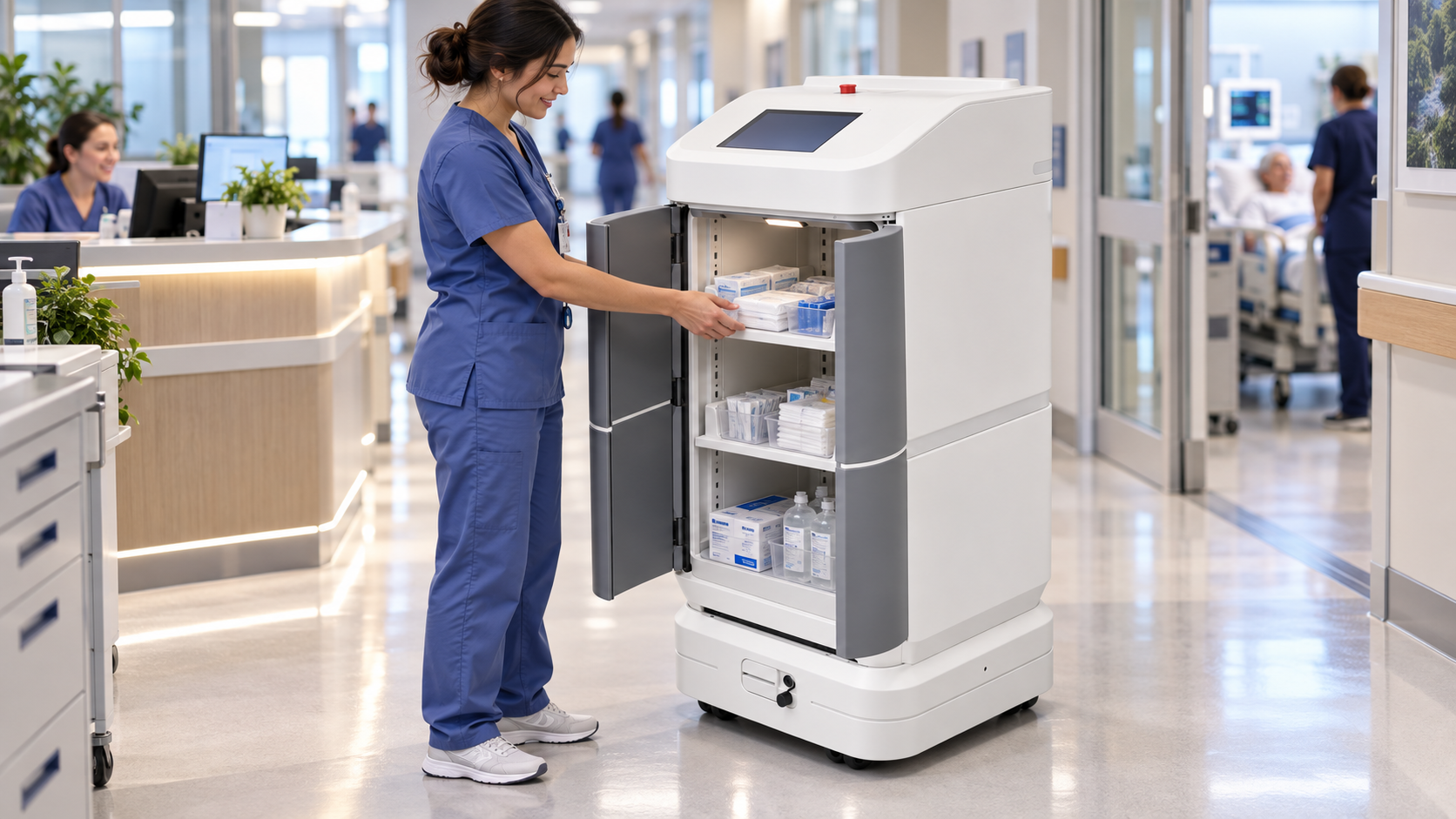
Hospital Delivery Robots
Internal movement for suitable medicines, samples, supplies and service items.
Explore solution →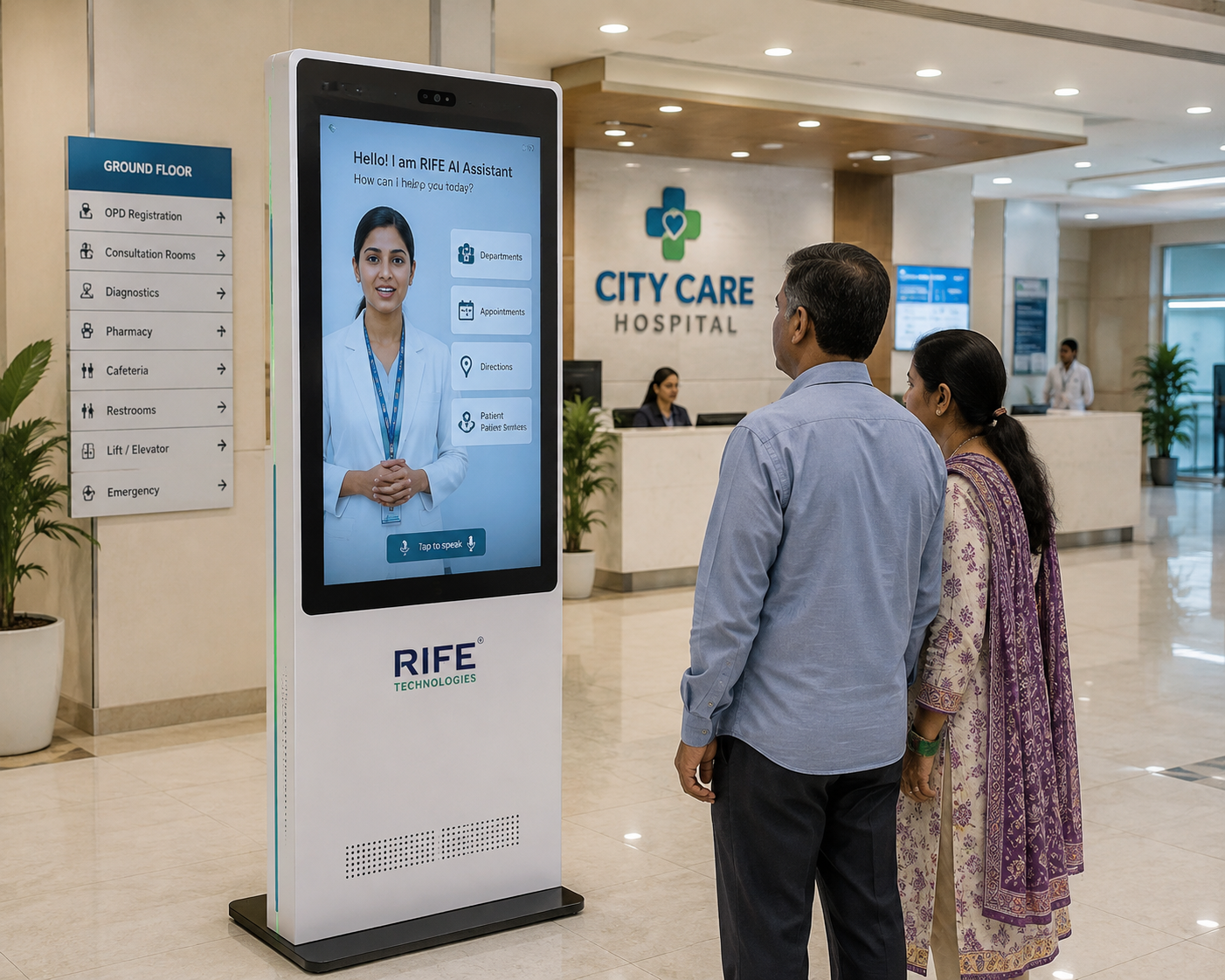
AI Reception
Digital human support for approved information, reception and guidance.
Explore solution →
Hospital AI Kiosks
Self-service information and wayfinding for defined visitor journeys.
Explore solution →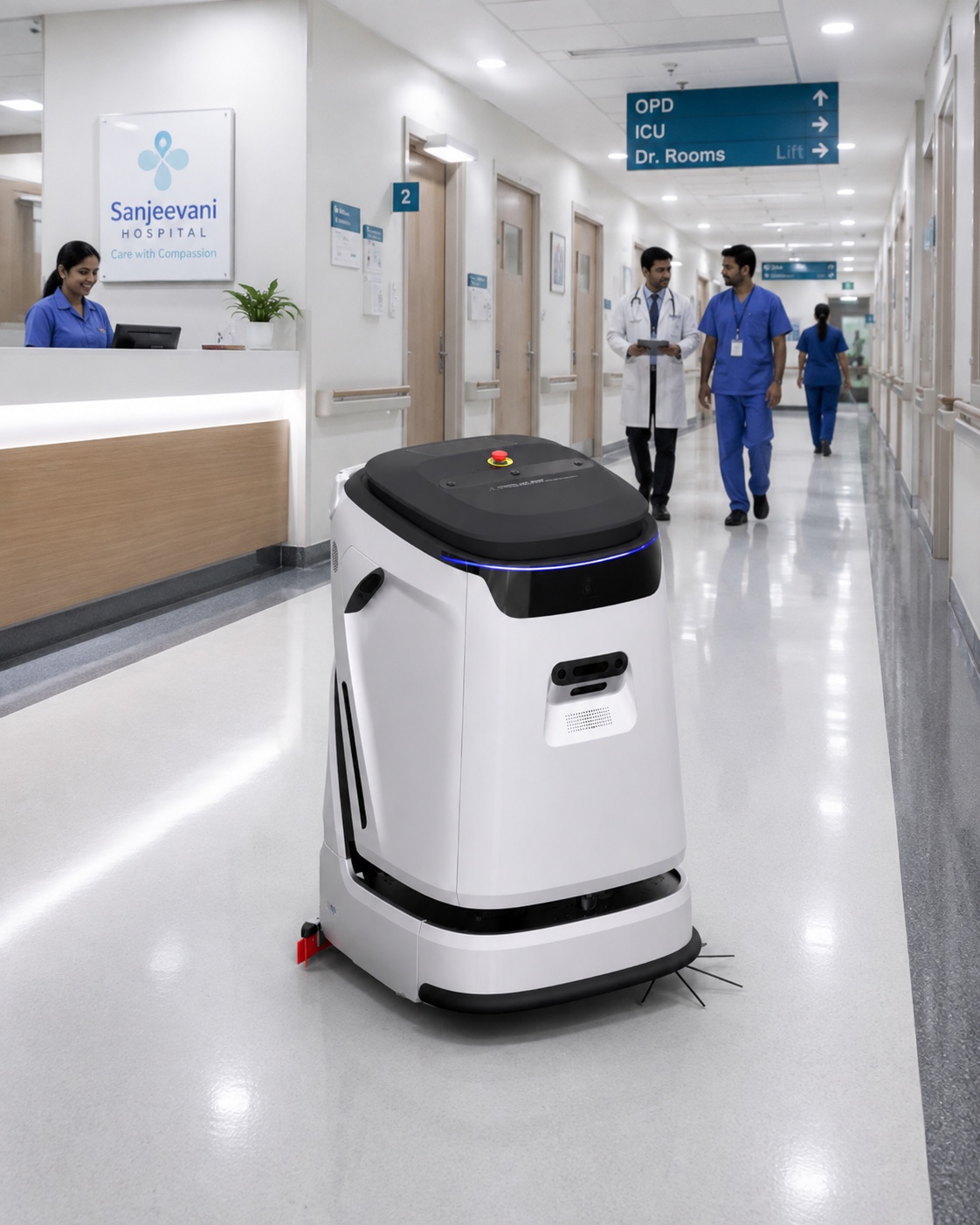
Autonomous Cleaning
Scheduled commercial floor-care automation for suitable hospital areas.
Explore solution →3. Review the physical environment
For automation and robotics, document corridors, thresholds, lifts, doors, charging areas, restricted zones, public traffic and emergency operating requirements.
4. Define governance
Assign owners for content, privacy, security, operational exceptions, maintenance, vendor escalation and change control. Smart systems need ongoing ownership after launch.
5. Pilot, measure and expand
Start with a contained workflow, establish baseline metrics, measure performance and staff adoption, then decide whether the technology should be improved, expanded or stopped.
Related RIFE Robotics pages
Frequently asked questions
How should a hospital start a smart-hospital project?
Begin with a small number of measurable operational problems, verify infrastructure and ownership, then pilot technology against those workflows.
Should every department upgrade at once?
Usually no. Staged implementation reduces risk and lets the hospital learn from real deployments before expanding.
How do we know whether an upgrade worked?
Define baseline metrics before deployment and compare outcomes such as time, task completion, intervention rate, information demand or asset visibility after implementation.