Is a Shopping Mall Service Robot Worth It?
A mall service robot is most useful where a repeatable customer or facility workflow has enough demand and the shopping centre can support reliable routes, clear hand-off and operating ownership.
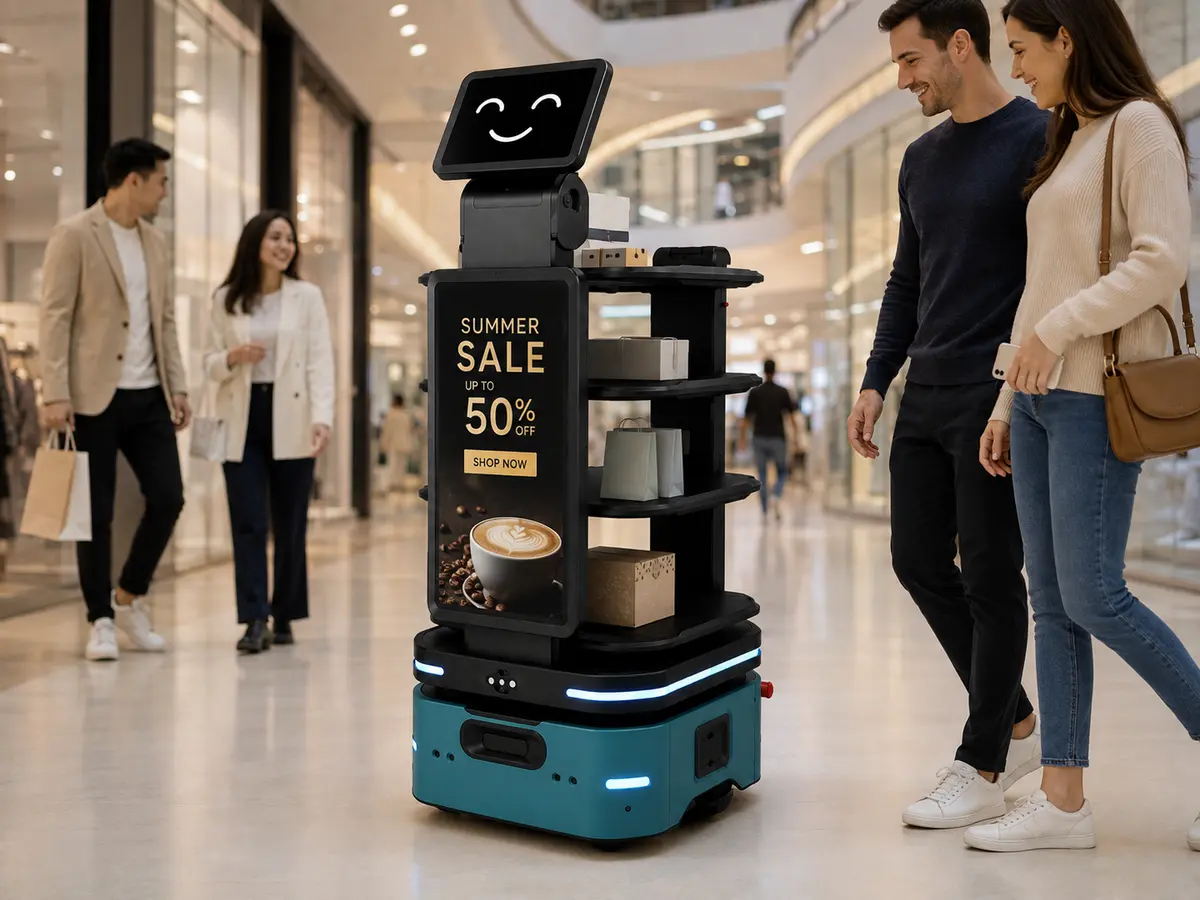
Which mall workflows are stronger candidates?
The strongest use cases are repeated guidance, service or facility tasks with clear zones and measurable demand.
Visible customer value and stable operating boundaries make pilots easier to evaluate.
When may a robot add little value?
Low demand, constantly changing public routes, unclear content ownership or no operating owner can weaken the business case.
A robot should solve a measurable problem rather than function only as a novelty.
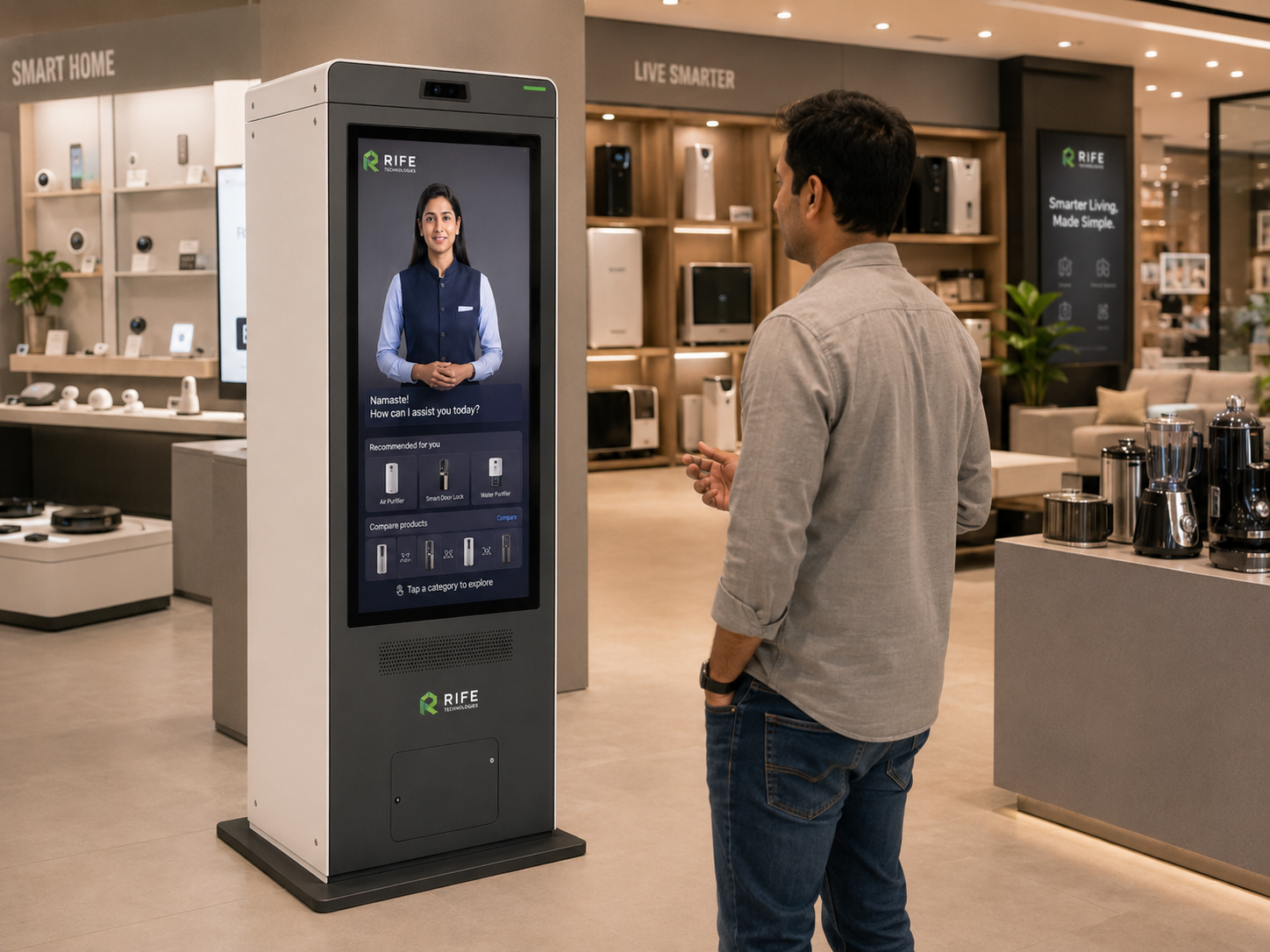
What should the mall measure?
Measure service requests, mission volume, staff time, route interruptions, customer hand-off and peak traffic conditions.
Use mall data rather than generic ROI percentages.
- Requests or missions per day
- Staff walking or support time
- Peak route congestion
- Interventions
- Customer-service outcome
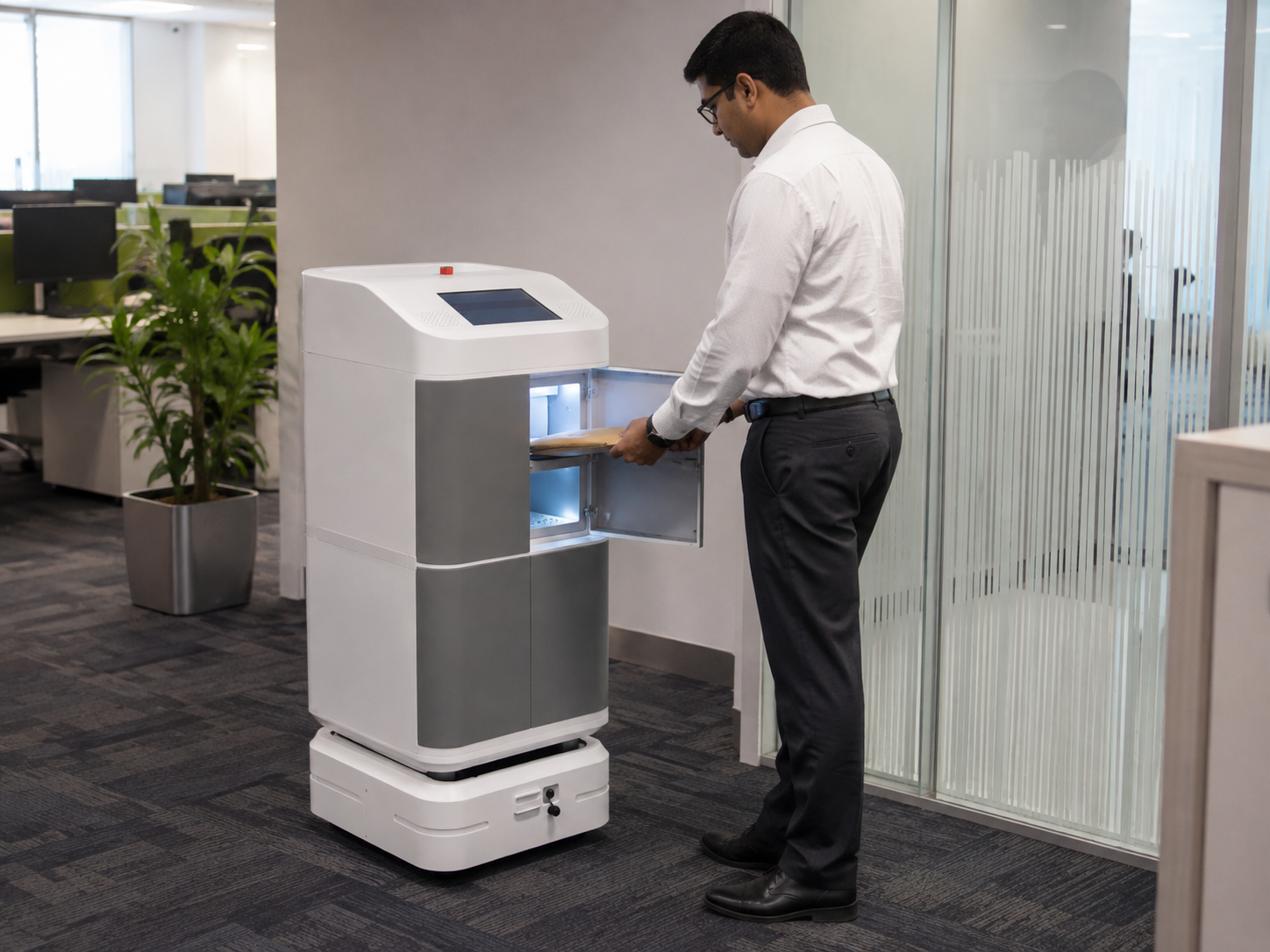
Compare total project cost with the current workflow
Include hardware, deployment, integrations, software, maintenance and support.
The business case depends on the exact workflow and property.
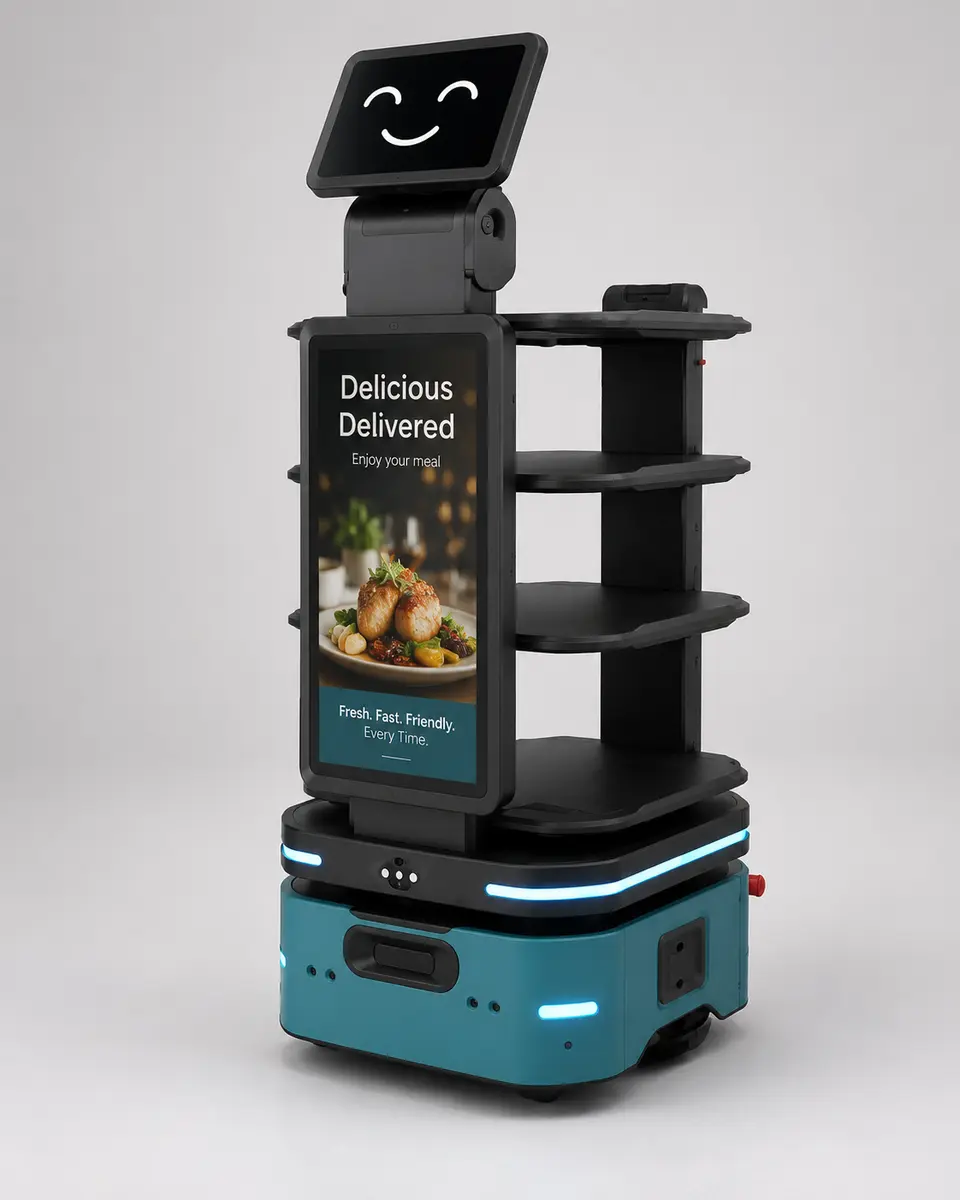
Pilot one measurable mall workflow first
A focused pilot can validate route reliability, customer response, staff hand-off, charging and exception ownership before broader rollout.
Test during realistic public traffic.
Frequently asked questions
Does a mall robot replace customer-service staff?
RIFE positions robots for selected repeatable service or guidance tasks while staff retain judgement, exceptions and customer care.
How should ROI be evaluated?
Use real mission demand, staff time, route conditions, project cost and measurable service outcomes rather than a generic percentage.
Should we start with one zone?
Yes. One defined customer-service or delivery zone is often the most practical pilot.