Is Your Shopping Mall Ready for Service Robots?
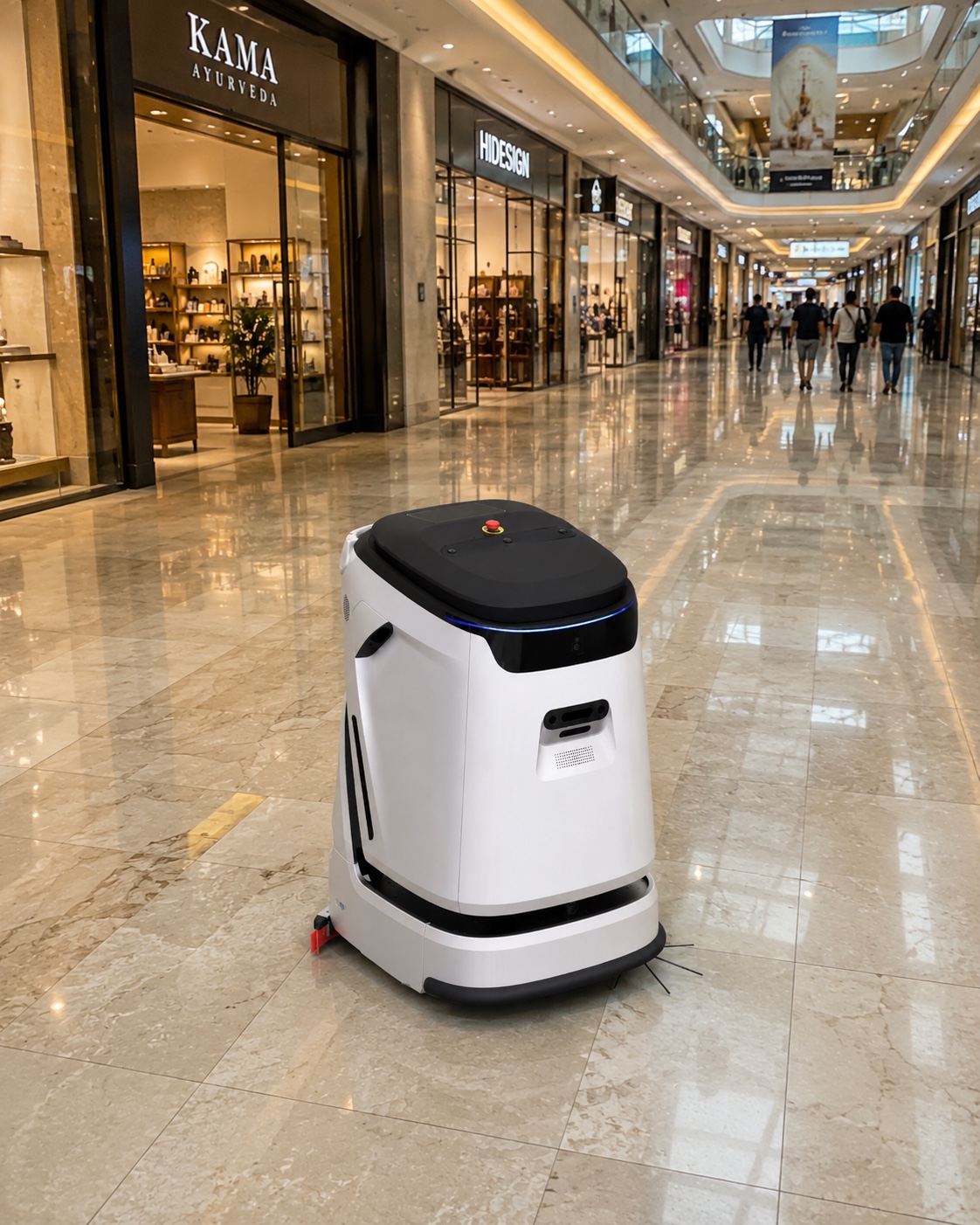
A mall robot needs more than open floor space. The centre should validate public zones, footfall, thresholds, lifts, charging, content ownership, staff hand-off and operating responsibility before deployment.
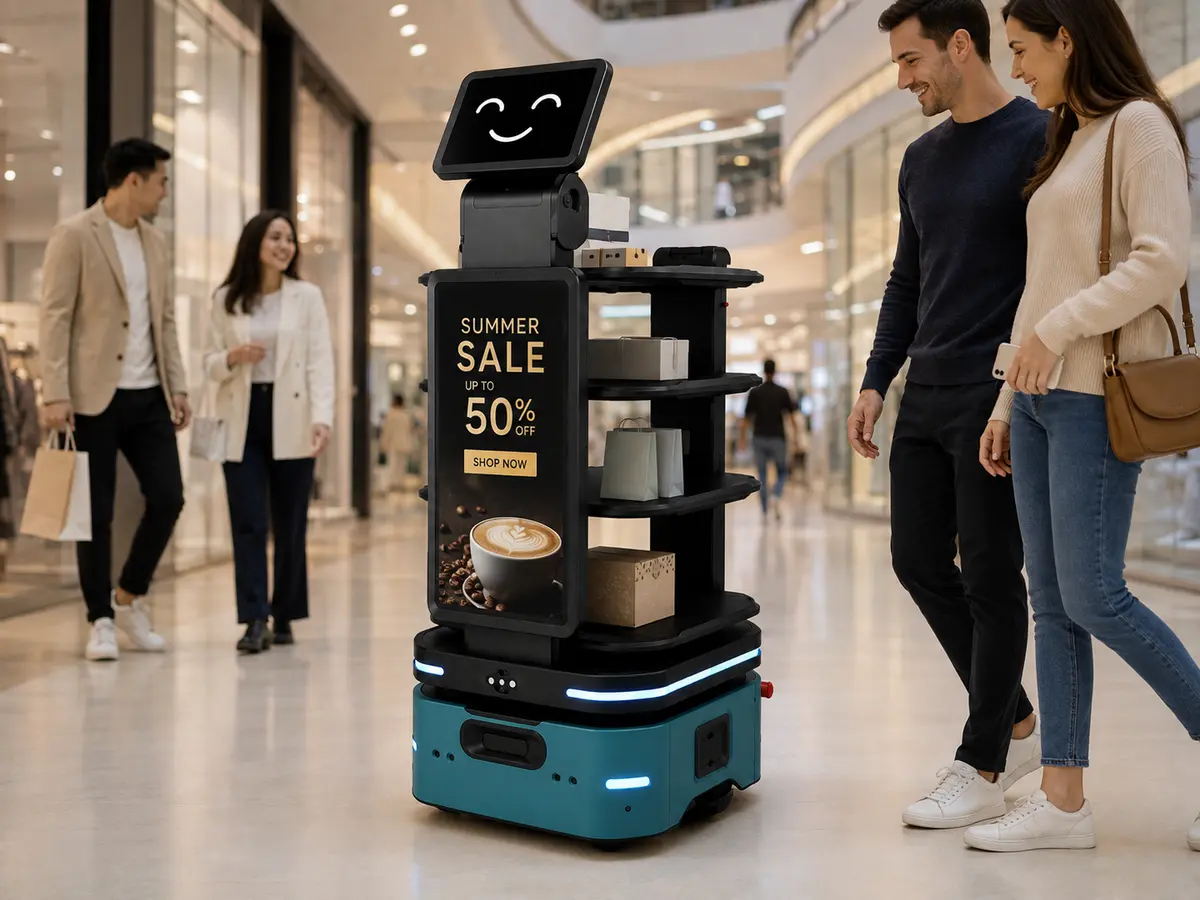
Can the robot move through the real mall zone?
Check corridor width, turns, temporary displays, queues, lifts, escalator boundaries and guest crossing points.
Review the route during realistic peak shopping periods.
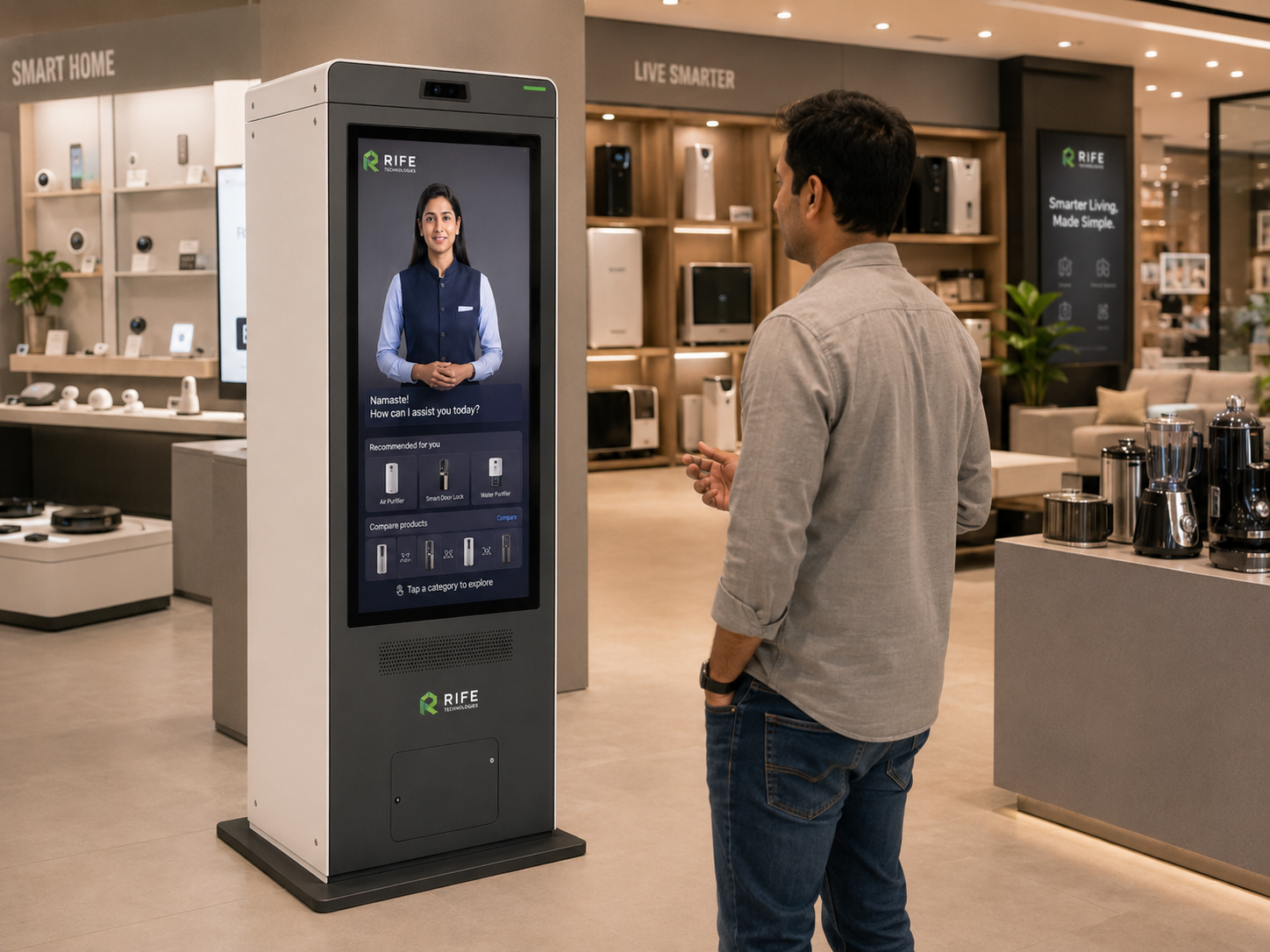
Who owns directory and event content?
Customer-facing information should have an accountable source and update owner.
Outdated wayfinding or event information can undermine the service even if the hardware works correctly.
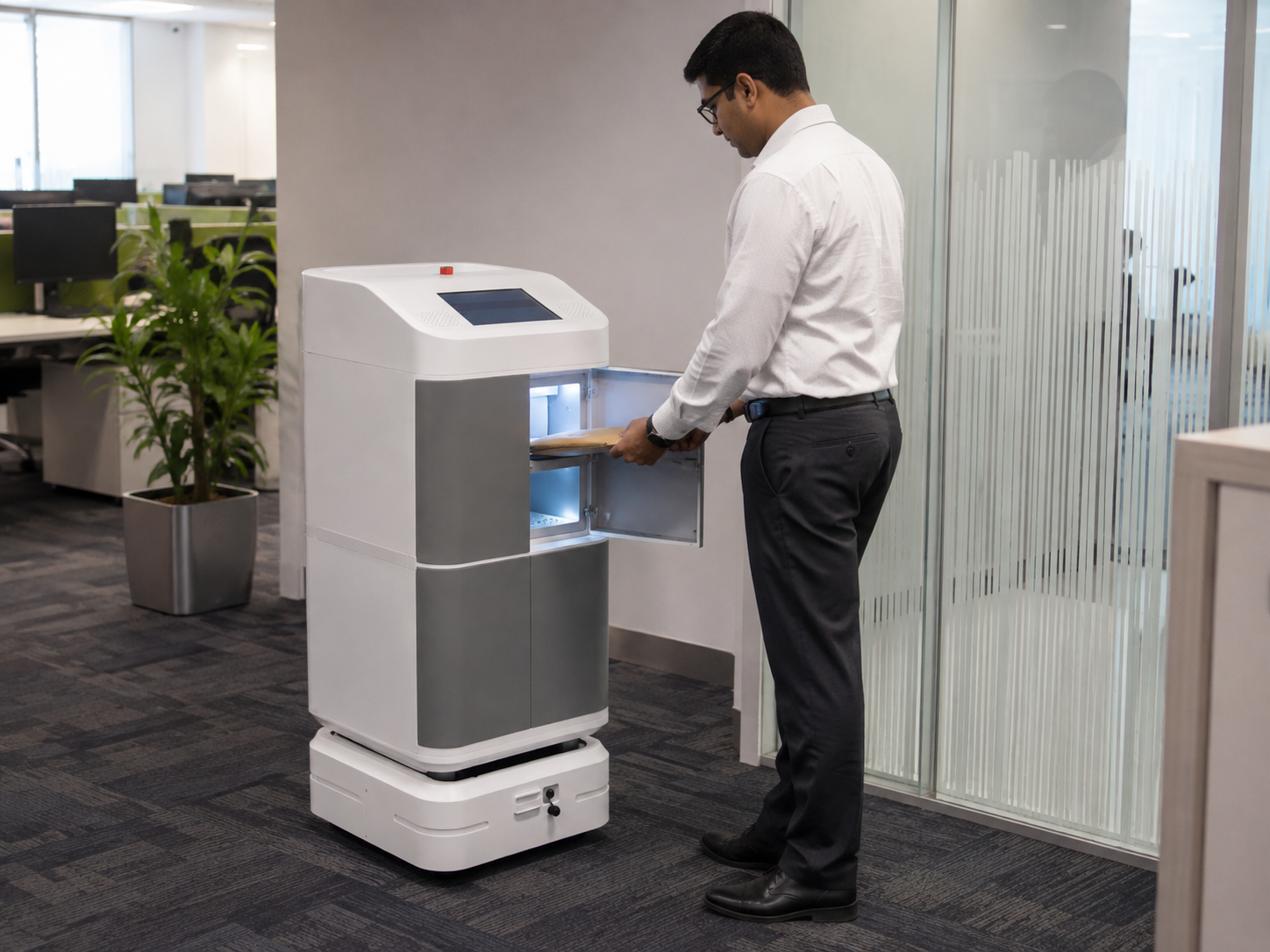
Where does the service journey end?
Define store, information desk, service point or staff collection locations and the exact hand-off expectation.
Avoid ambiguous destinations in busy public areas.
Is there a suitable parking and charging location?
Charging should be outside critical customer circulation while remaining practical for operations.
Operating windows should account for peak periods and charging needs.
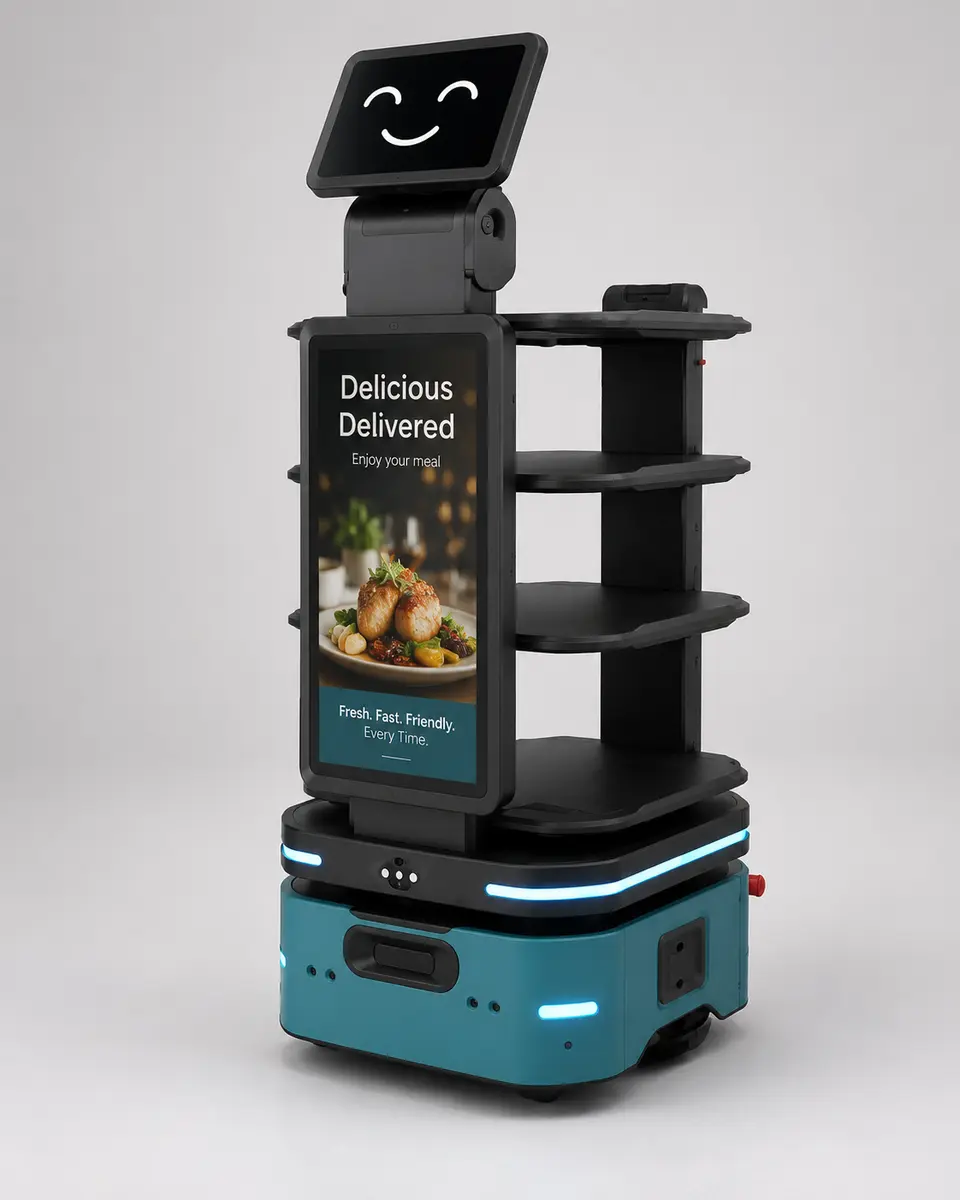
Who owns daily robot operation?
Assign responsibility for missions, content, exceptions, charging, route changes and support escalation.
Autonomous operation still needs a named mall operating owner.
Frequently asked questions
Do we need a site survey?
A site review is strongly recommended where public traffic, lifts, thresholds, operating zones or hand-off could affect deployment.
Can robots operate during peak mall hours?
Potentially, but peak-footfall testing is essential for the selected platform and route.
Who should own the project internally?
Centre management should assign named owners across operations, facilities, security, customer service and content where relevant.