Is a Delivery Robot Worth It?
A delivery robot is worth considering when a meaningful amount of staff time is consumed by repeatable movement between known points and the building can support reliable autonomous travel. It is not automatically valuable in every site.
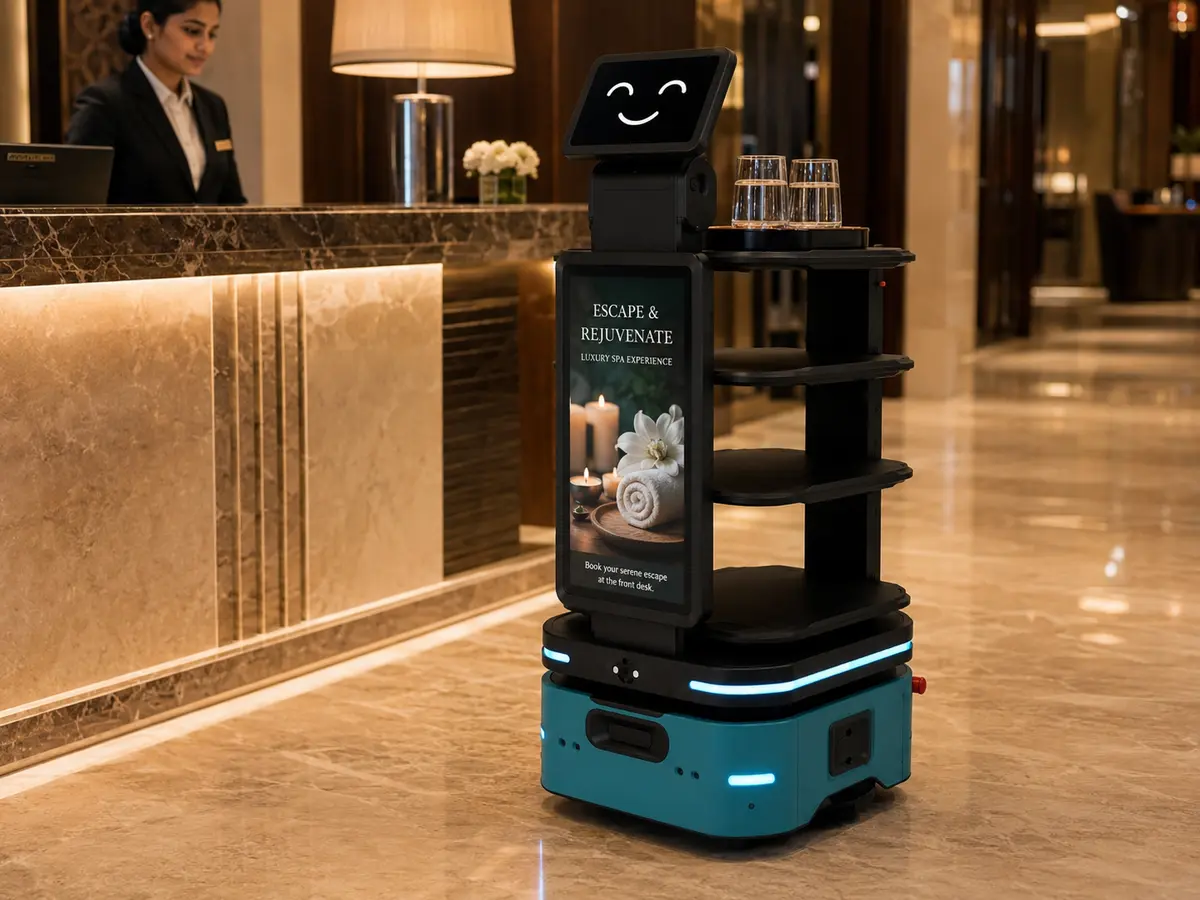
When does a delivery robot make sense?
The strongest fit is a repetitive route with clear pickup and destination points, enough mission volume to matter and staff who can use the recovered time for higher-value work.
Hotels, hospitals, offices, restaurants and campuses can all qualify, but the value comes from the workload rather than the industry label.
- Frequent internal trips
- Predictable pickup and destination points
- Staff time consumed by movement
- Need for consistent service coverage
- Suitable indoor routes
When might it not be worth it?
Low mission volume, constantly changing routes, difficult thresholds, unmanaged building access or highly irregular payloads can reduce the value of automation.
A robot should not be purchased simply because the technology is available. If the movement problem is small, manual handling may remain more practical.

What should you measure before buying?
Measure trips per day, average route time, staff minutes per mission, peak periods, payload, waiting and exception frequency.
Those figures create a site-specific business case and are more useful than generic labor-savings percentages.
- Trips per day
- Minutes per trip
- Peak mission demand
- Current hand-off delays
- Exceptions and blocked routes
- Operating hours
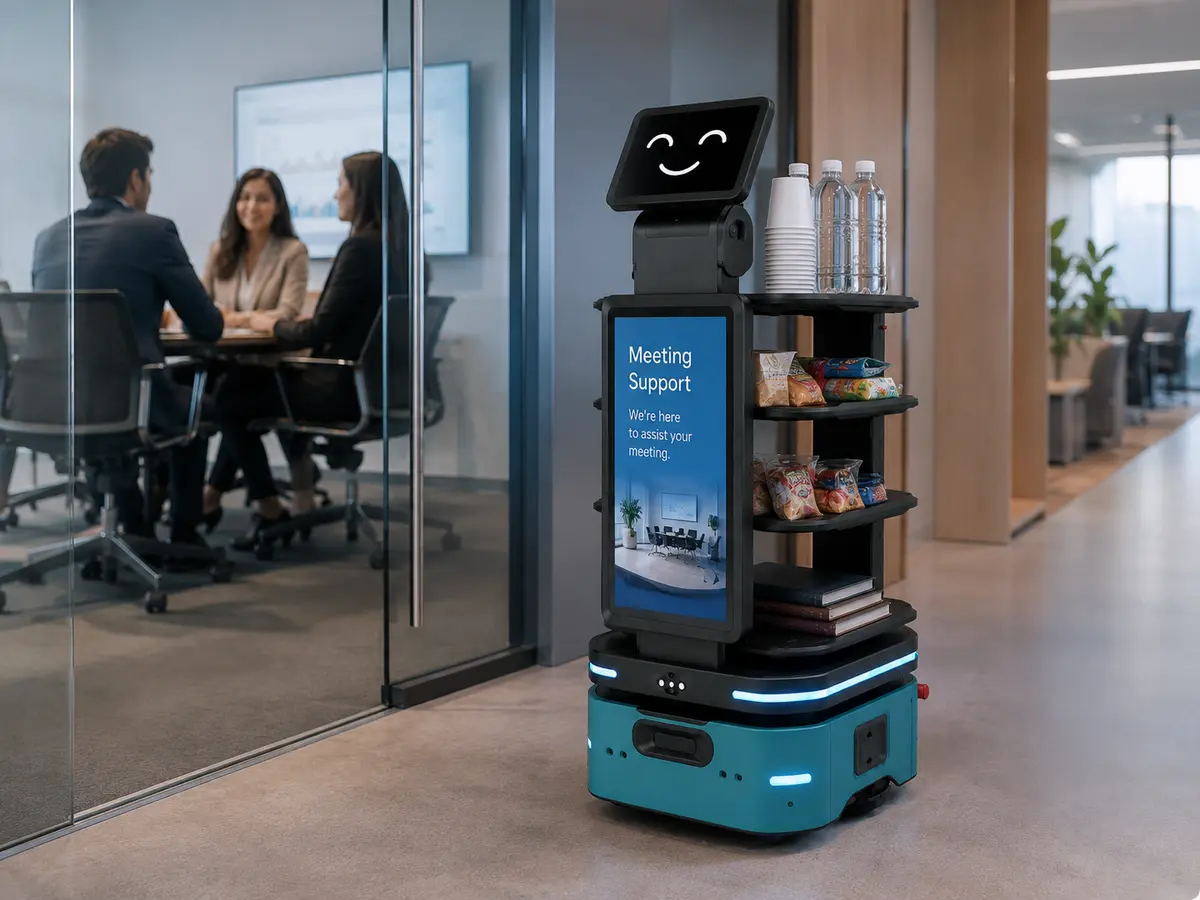
Use total project cost, not only hardware price
ROI should include hardware, software, building integration, deployment, support and any recurring commercial costs.
A cheaper robot with more integration or service burden can have a higher total cost than a better-matched platform.
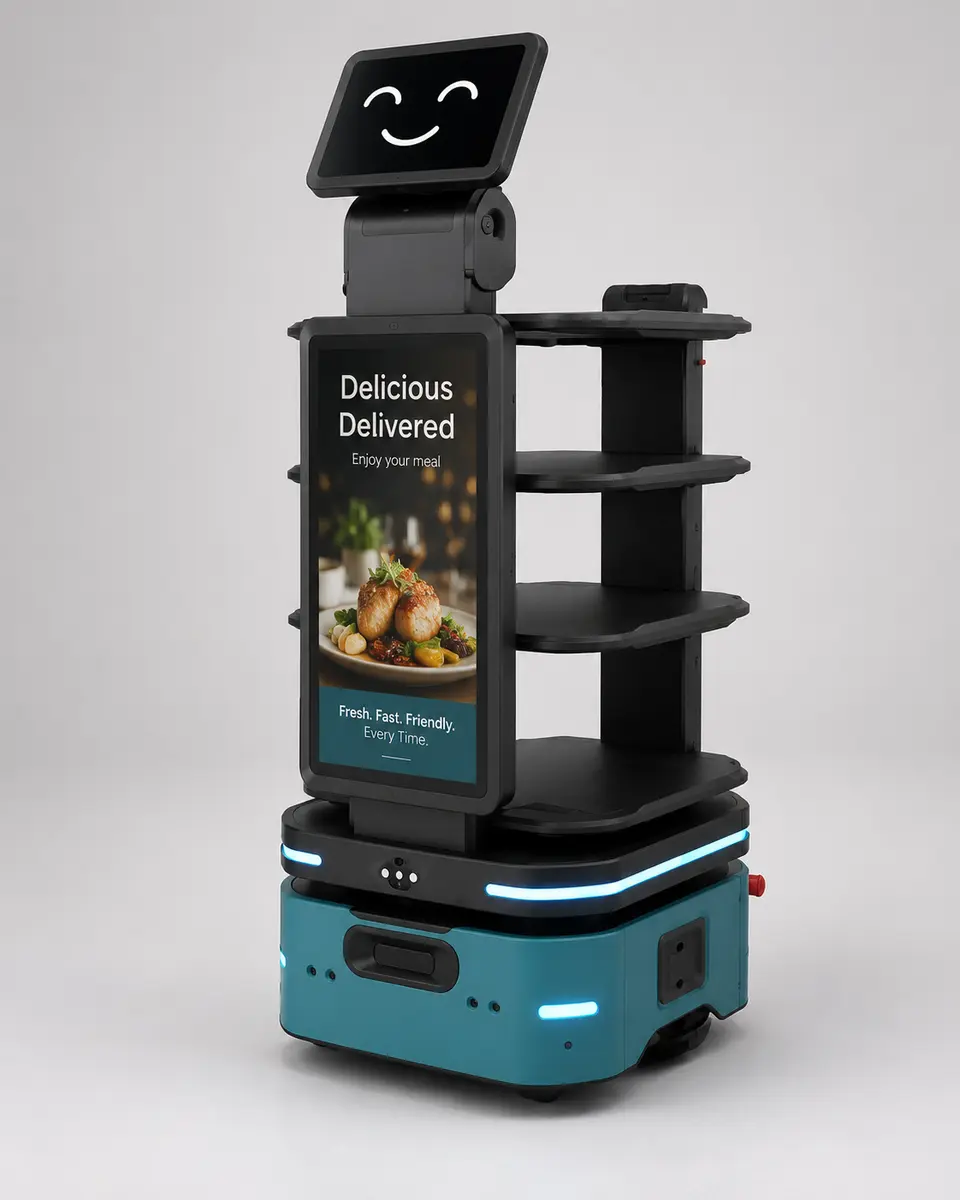
Start with one measurable mission
A focused pilot on one real workflow is usually a better proof than trying to automate every delivery journey at once.
Measure mission completion, staff intervention, user acceptance and actual time recovered before scaling.
Frequently asked questions
How do I calculate delivery-robot ROI?
Use real mission volume, route time, staff time, project cost, support and service-level benefits rather than a generic percentage.
Can a delivery robot replace staff?
RIFE positions the robot for repetitive movement tasks so people can focus on service, judgement and exception handling rather than treating it as a blanket staff replacement.
Should I begin with one robot?
For many sites, one clearly defined workflow provides the best evidence before deciding whether additional robots are justified.