Which Shopping Mall Workflows Suit Service Robots?
Shopping mall robots are best used for defined customer, service and facility tasks. The right use case has a clear zone, predictable operating rules and a measurable visitor or operational outcome.
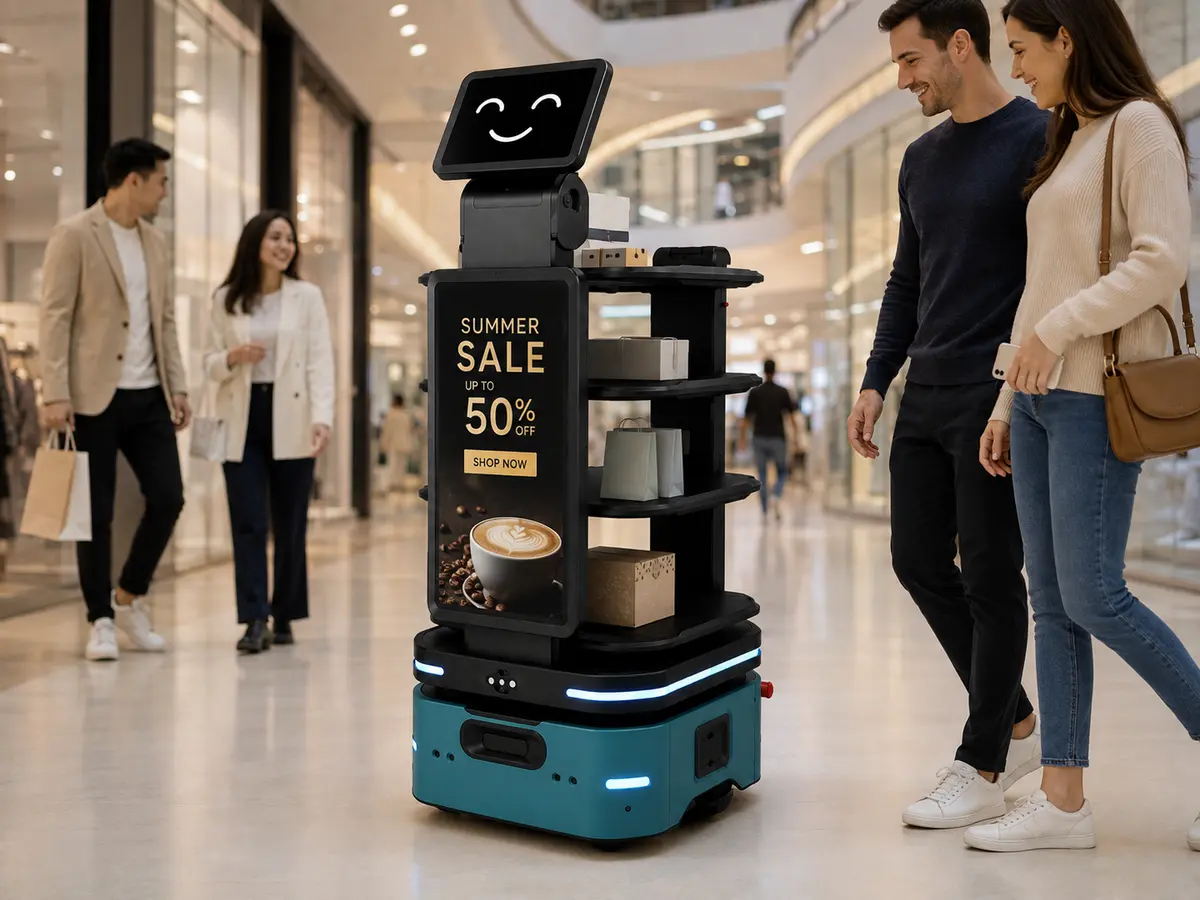
Visitor information and wayfinding
AI avatars, kiosks or suitable robots can present approved directory, facility and event information.
Content accuracy and update ownership are essential.
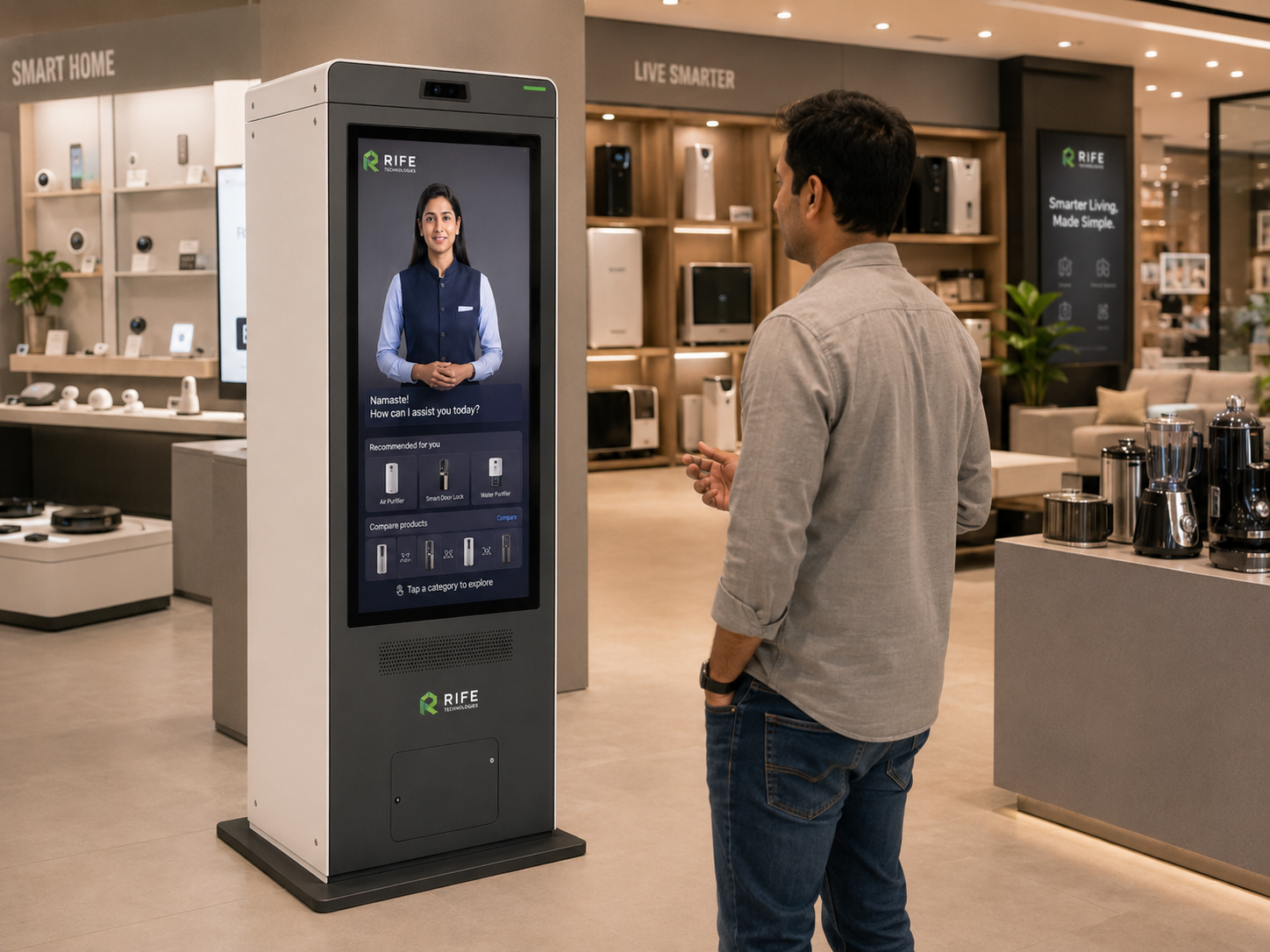
Selected customer-facing service journeys
Suitable service items can be moved between defined pickup and destination points when the route and hand-off are appropriate.
The exact payload and interaction depend on the selected robot.
Controlled internal movement
Selected stock, parcels or service items can be moved between approved store or service points.
Access, custody and recipient requirements should be defined explicitly.
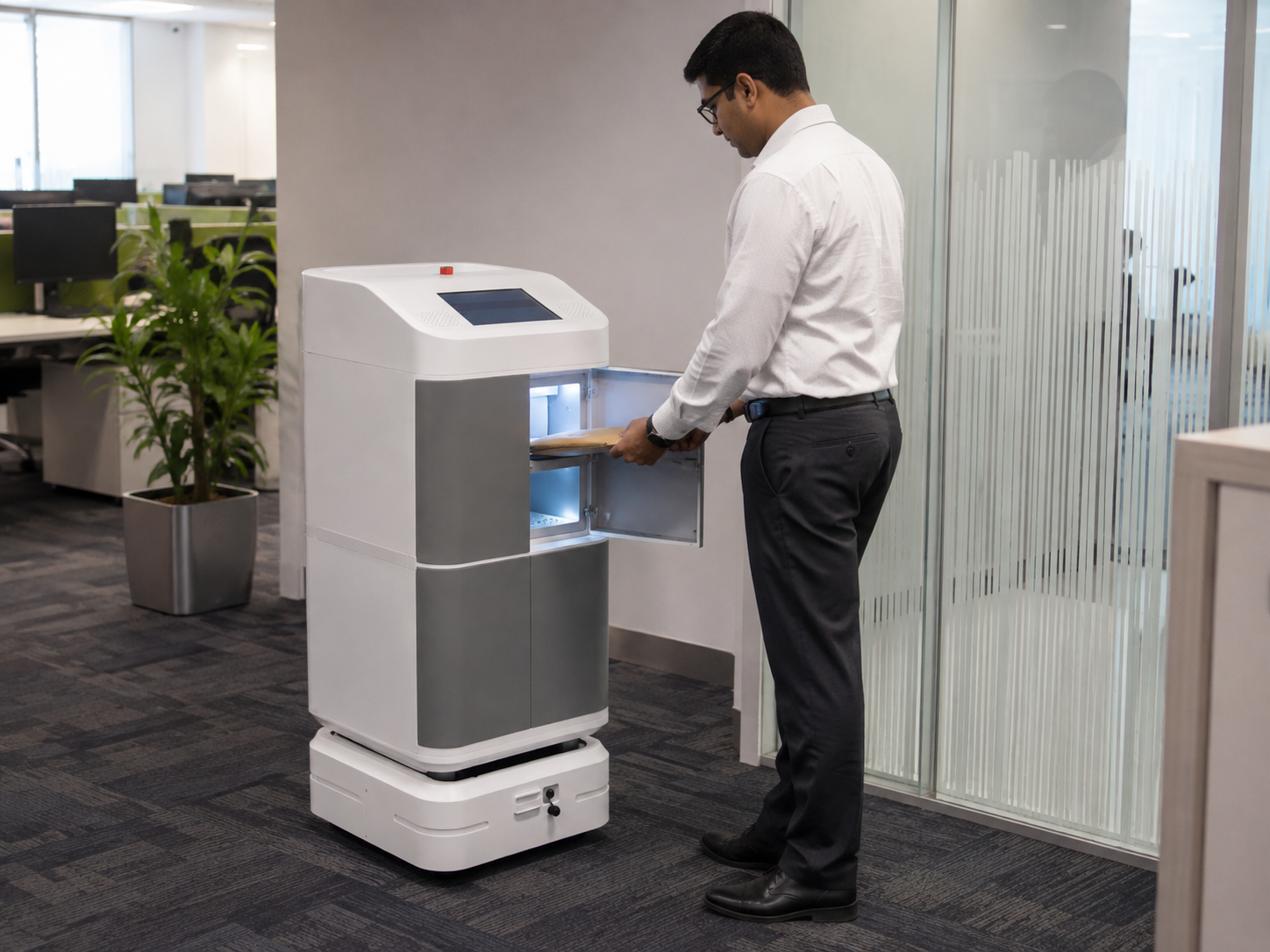
Event and activation support
Customer-facing robots and AI avatars can support approved campaign, event and product-information workflows.
Campaign content should have an owner and defined operating window.
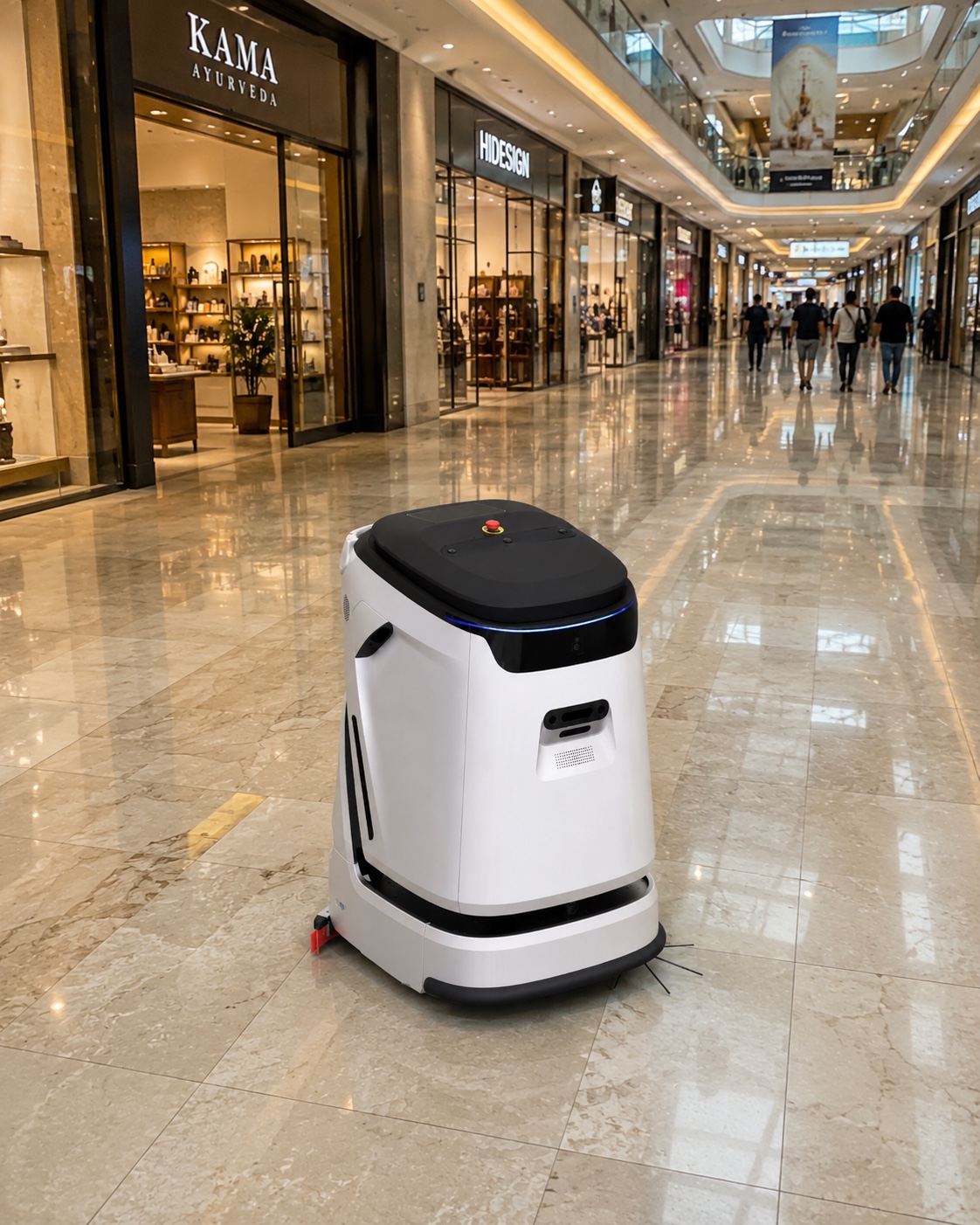
Autonomous cleaning in suitable mall zones
Cleaning robots can support scheduled floor-care missions in suitable common areas and back-of-house zones.
Cleaning is a separate facility workflow from customer service and should be commissioned independently.
Frequently asked questions
What can a shopping mall robot do?
Suitable workflows can include visitor guidance, selected service delivery, retail support, promotions and autonomous cleaning, depending on the selected system.
Can robots provide mall directions?
Yes, when approved directory and wayfinding information are available to the selected interface.
Can one robot do all mall tasks?
Usually not. Customer assistance, delivery and cleaning are distinct workflows and may require different robot families.