How to Deploy and Commission Shopping Mall Service Robots
A reliable mall robot deployment combines workflow definition, site review, route mapping, public-space testing, content governance where relevant, staff training and clear operating ownership.
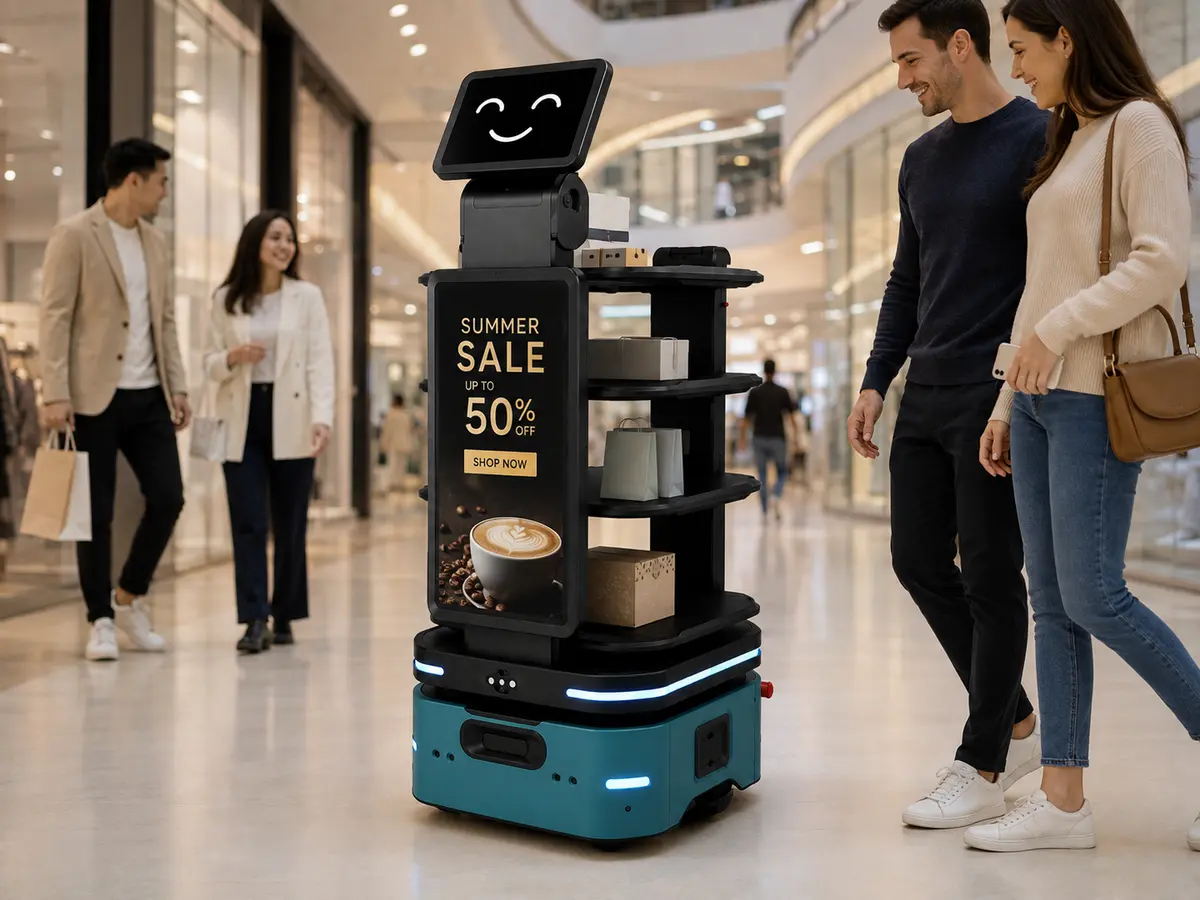
Start with one real mall workflow
Document the customer or facility need, service origin, destination, staff hand-off and exception process.
The selected robot family should follow this operating procedure.
Review the actual public environment
Survey routes, turns, lifts, queues, temporary displays, charging and normal footfall patterns.
A route should be tested under realistic shopping conditions.
Map missions and approved information
Create approved routes, destinations, schedules and customer information or notifications where applicable.
Each information source and integration should have an owner and fallback.
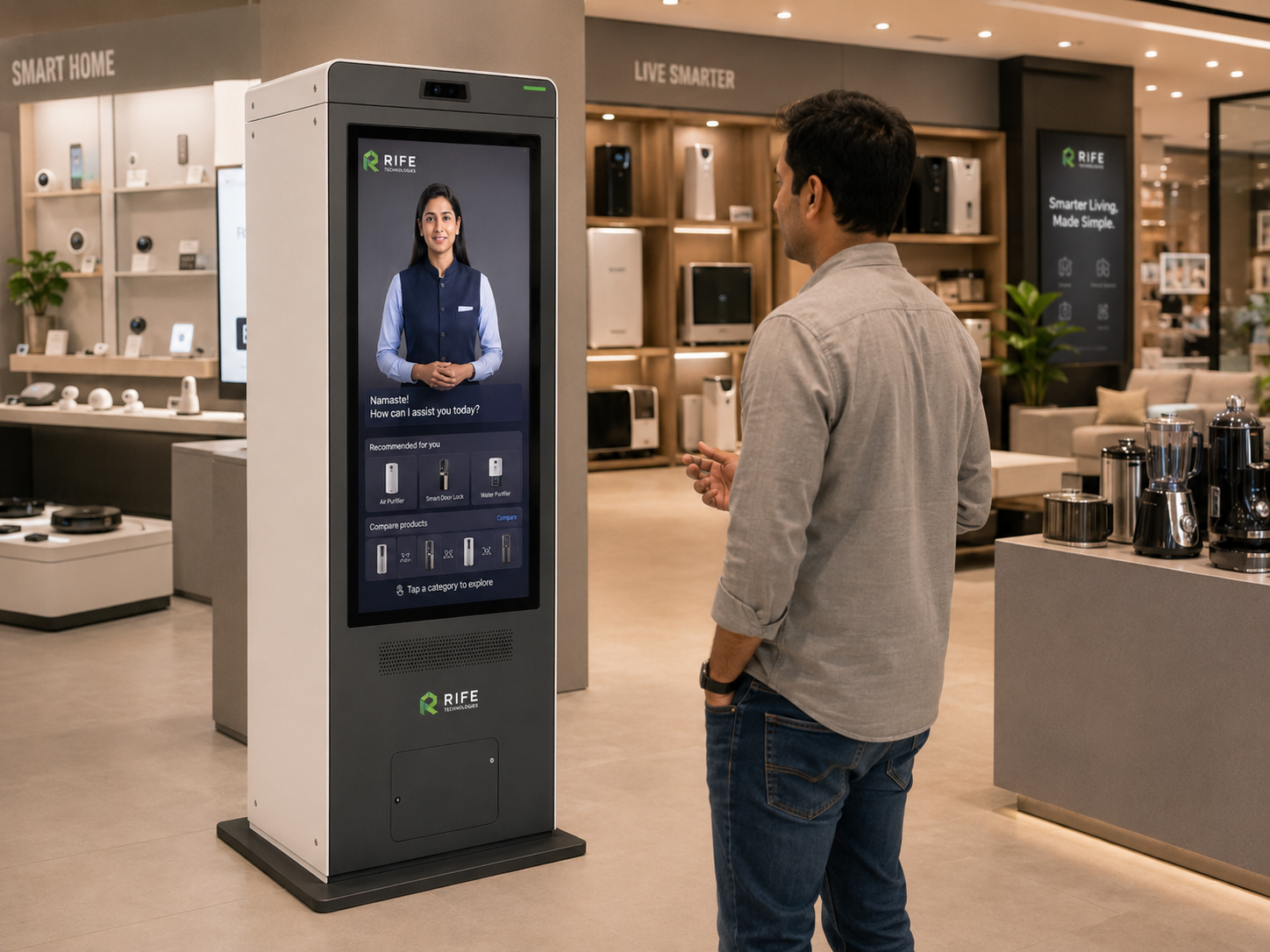
Test normal and exception journeys
Acceptance should cover route travel, public traffic, destination arrival, hand-off, charging and recovery from interrupted missions.
Prove the complete service workflow, not only robot movement.
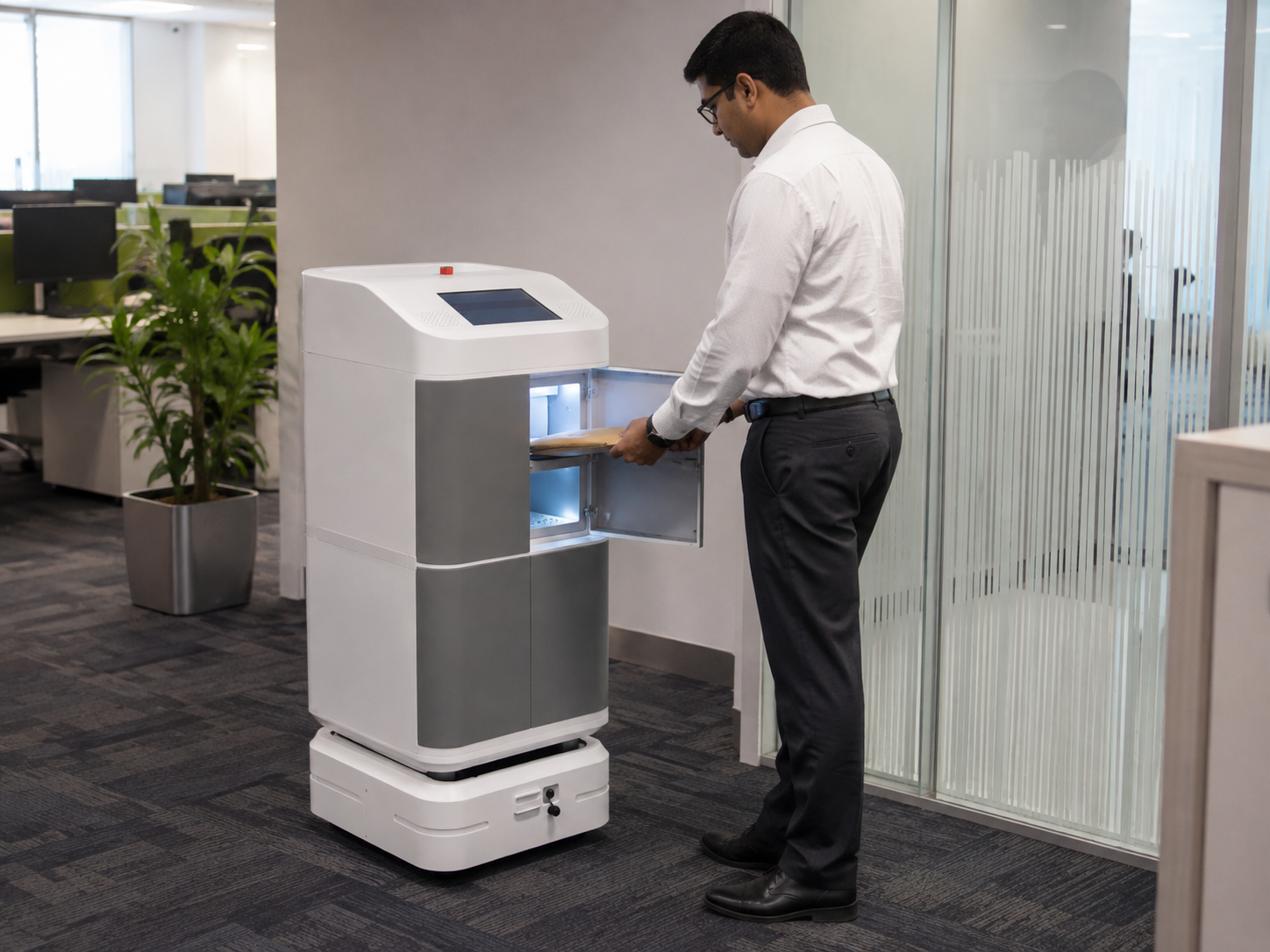
Train staff and control environment changes
Define daily checks, content updates, mission ownership, escalation and how layout changes are revalidated.
Mall layouts and campaigns change frequently, so operating ownership matters.
Frequently asked questions
How long does mall robot deployment take?
Timing depends on site complexity, workflow scope, integrations, quantity and acceptance requirements and should be confirmed in the project plan.
What should acceptance testing include?
Test the actual public route, peak traffic, destination hand-off, exceptions, charging and content accuracy where relevant.
Do staff need training?
Yes. Relevant teams should understand mission start, hand-off, exceptions, charging, content ownership and support escalation.