Is a Restaurant Service Robot Worth It?
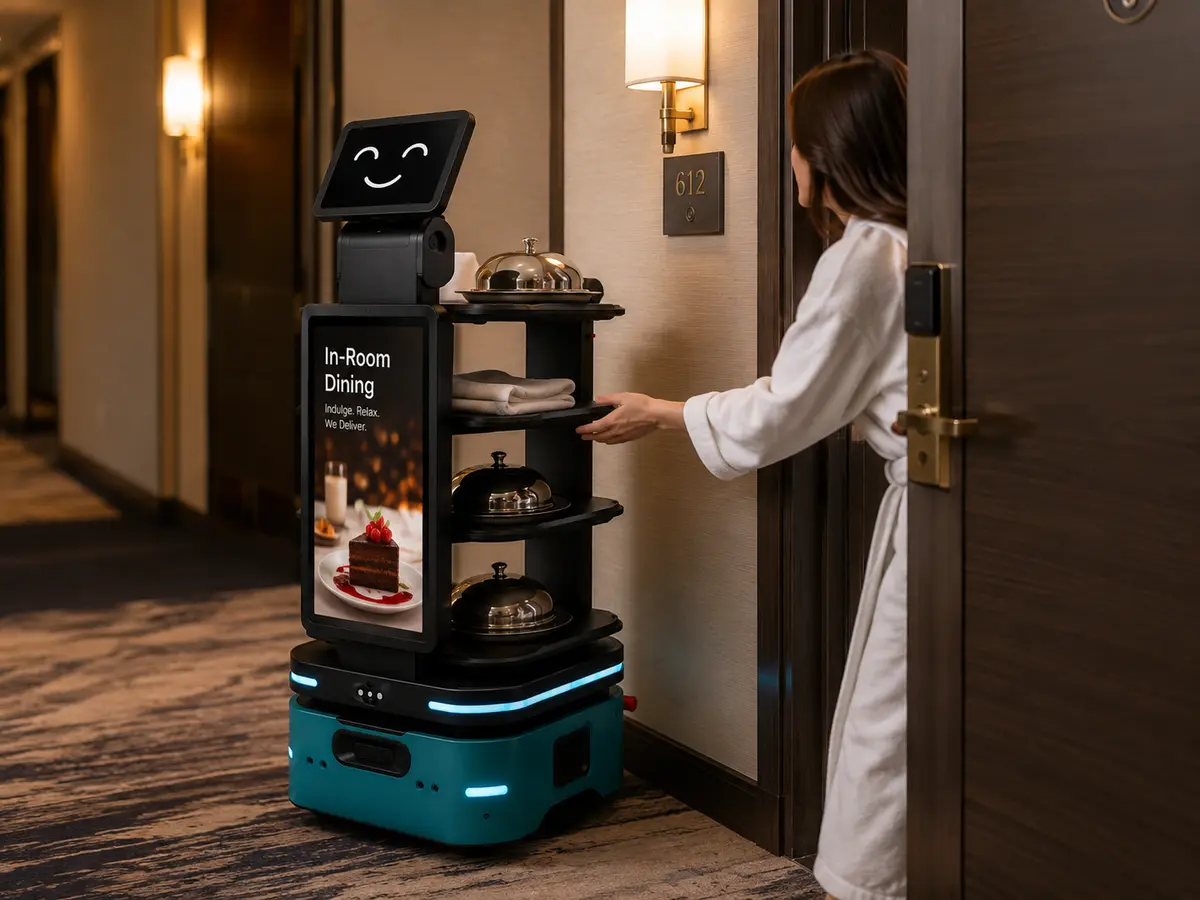
A restaurant service robot is most useful where staff repeatedly walk the same suitable routes carrying trays or service items and where the dining environment can support predictable robot movement.
Which restaurants are stronger candidates?
Restaurants with frequent repeatable journeys between kitchen, pass, service stations and dining zones are stronger candidates.
Structured canteens and cafeterias can also be suitable where routes and pickup points are stable.
When may a robot add little value?
Very low trip volume, tight or constantly changing aisles, highly irregular items or unclear staff hand-off can weaken the case.
A robot should solve a measurable carrying workload rather than be purchased only as a novelty.
What should the restaurant measure?
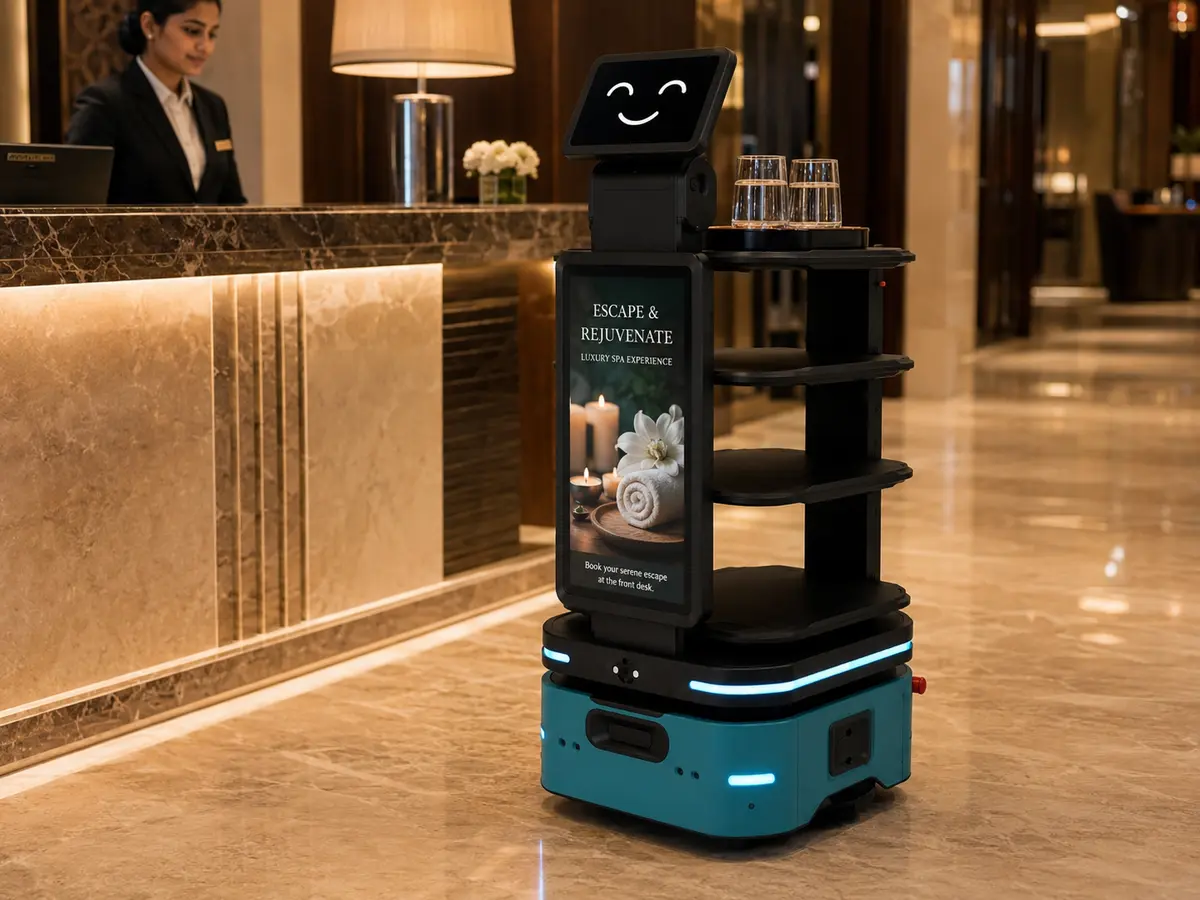
Measure trips per hour, walking distance, item types, peak service windows, waiting time and intervention frequency.
Use restaurant data rather than generic savings percentages.
- Trips per service period
- Staff walking time
- Peak route congestion
- Interventions
- Guest-service impact
Compare total project cost with the current workflow
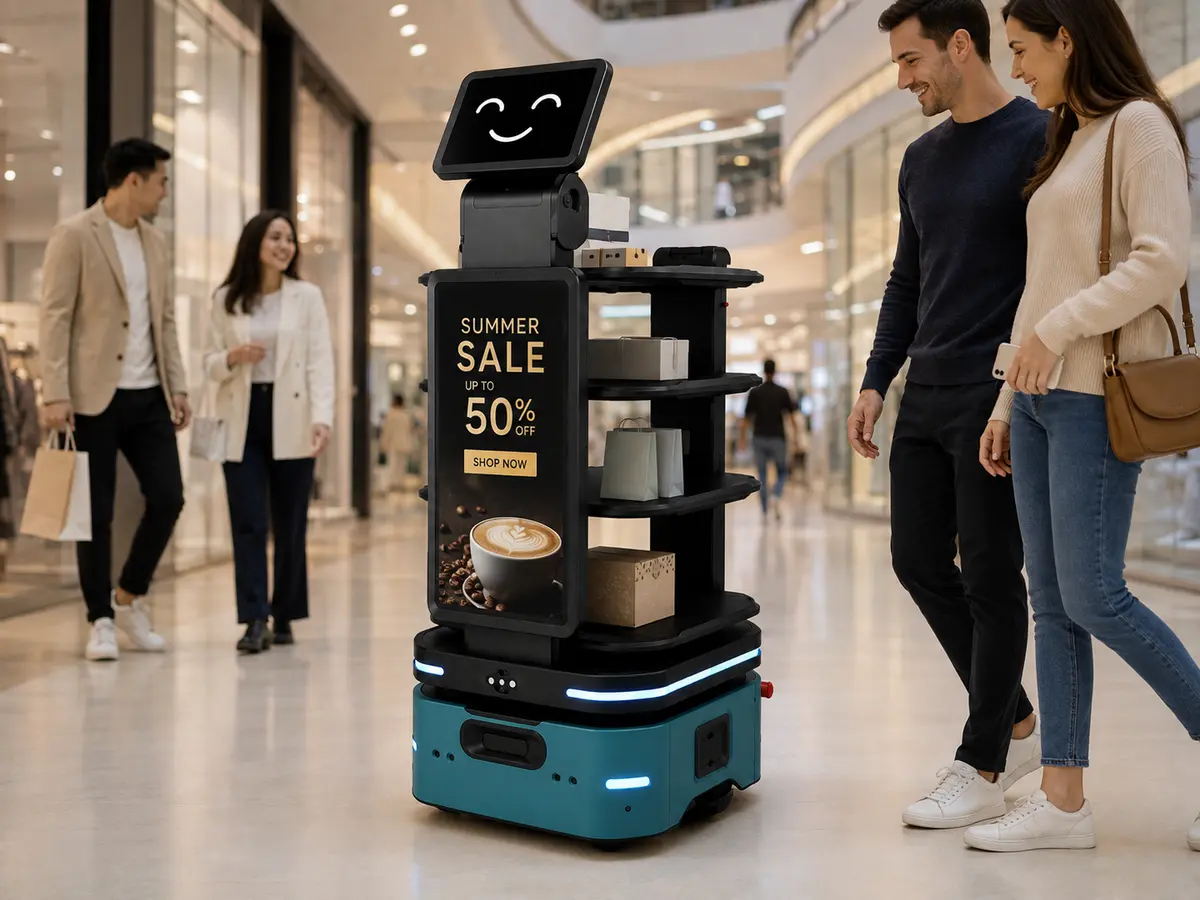
Include hardware, deployment, support, maintenance and software where applicable.
The business case depends on the actual site and mission demand.
Pilot one measurable service route first
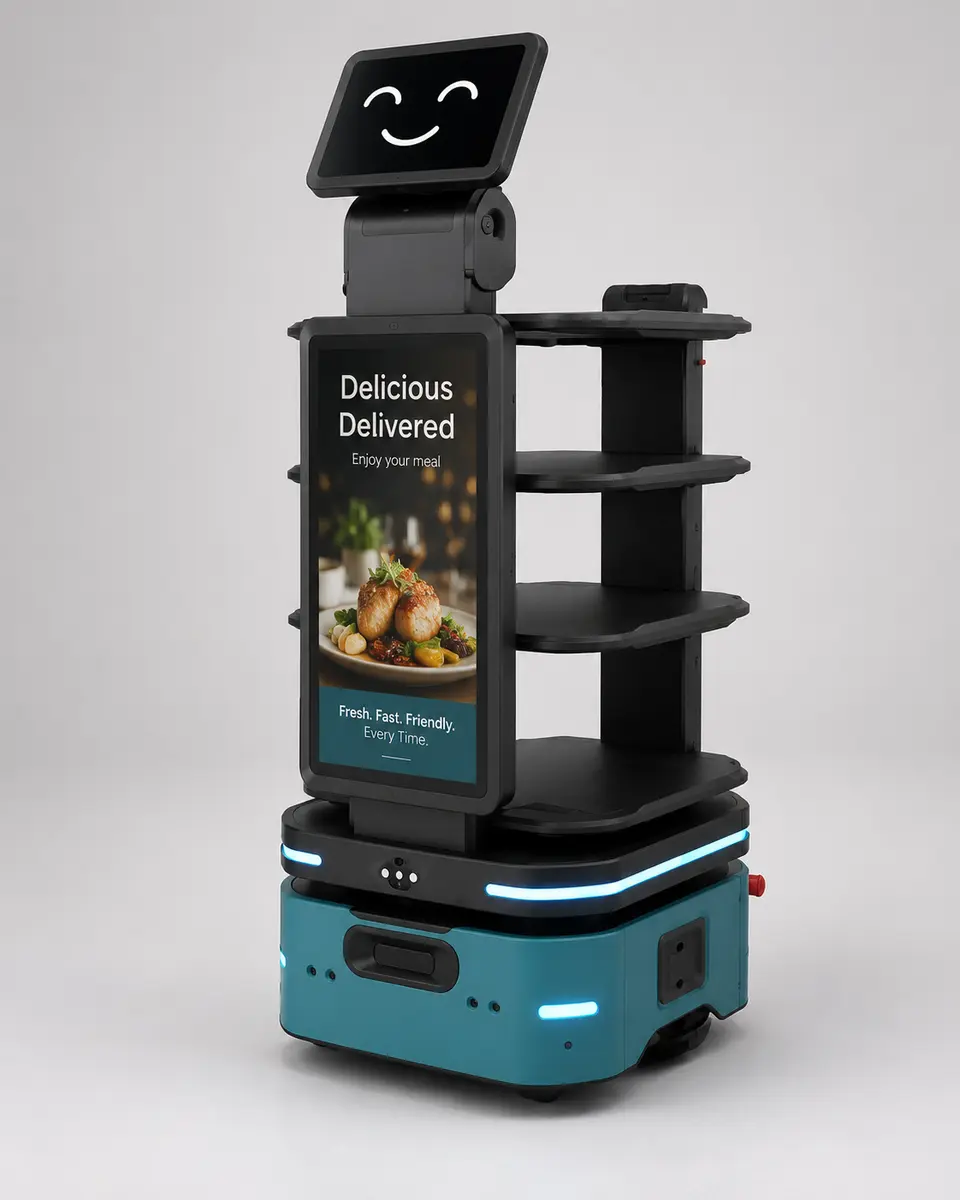
A focused pilot can validate traffic interaction, hand-off, mission timing and staff acceptance before broader rollout.
Test during realistic service periods, not only when the dining room is empty.
Frequently asked questions
Does a restaurant robot replace waiters?
RIFE positions it for selected repetitive movement while staff retain guest interaction, service quality, judgement and exceptions.
How should ROI be evaluated?
Use real trip volume, walking time, route conditions, project cost and measurable service outcomes rather than a generic percentage.
Should we start with one route?
Yes. A clearly defined kitchen-to-service route is often the most practical pilot.