Is a Hotel Delivery Robot Worth It?
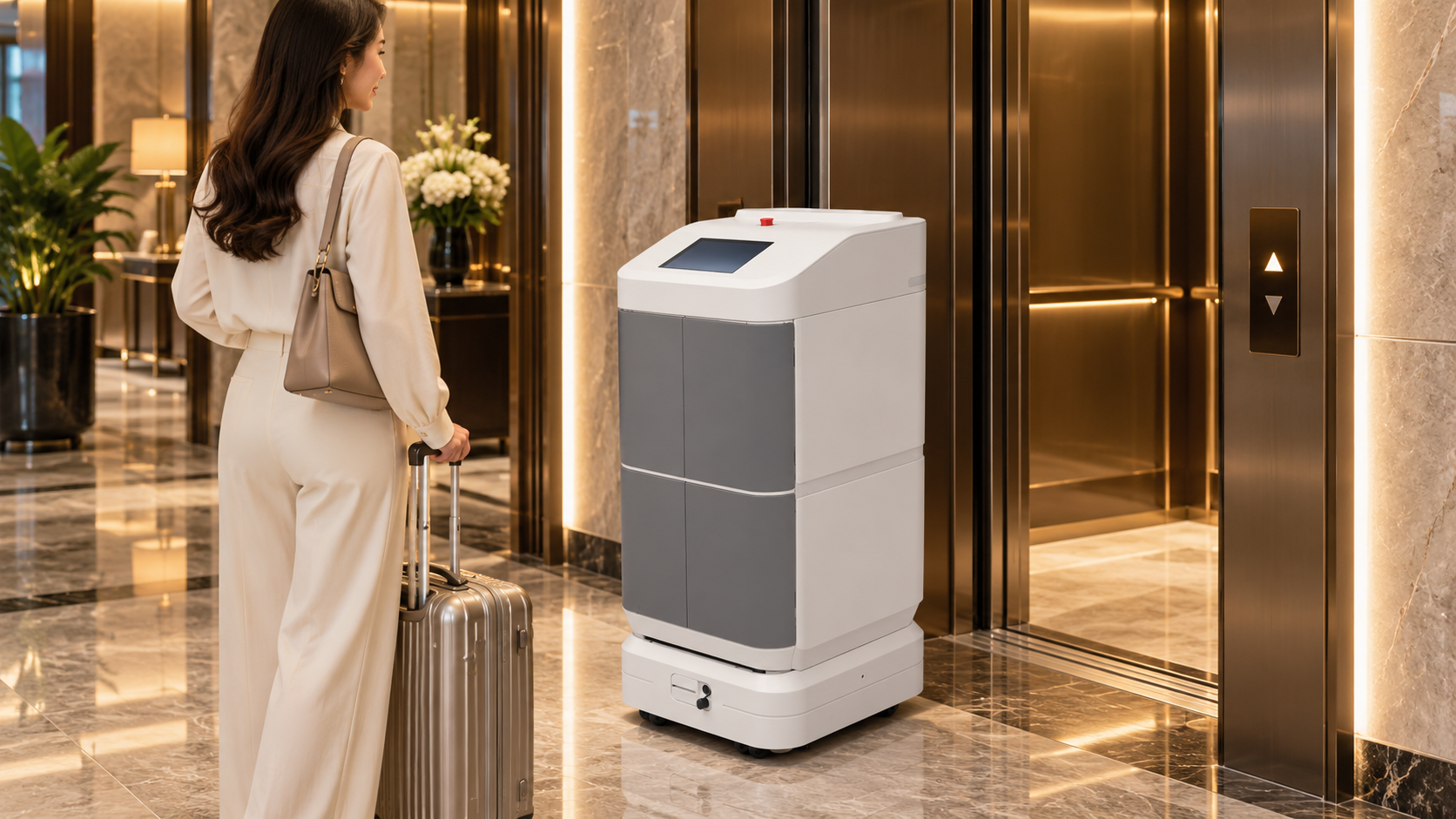
A hotel delivery robot is most useful where staff repeatedly move suitable guest items between stable service points and guest floors, and the property can define routes, hand-offs and operating ownership. It is not automatically the right answer for every hotel.
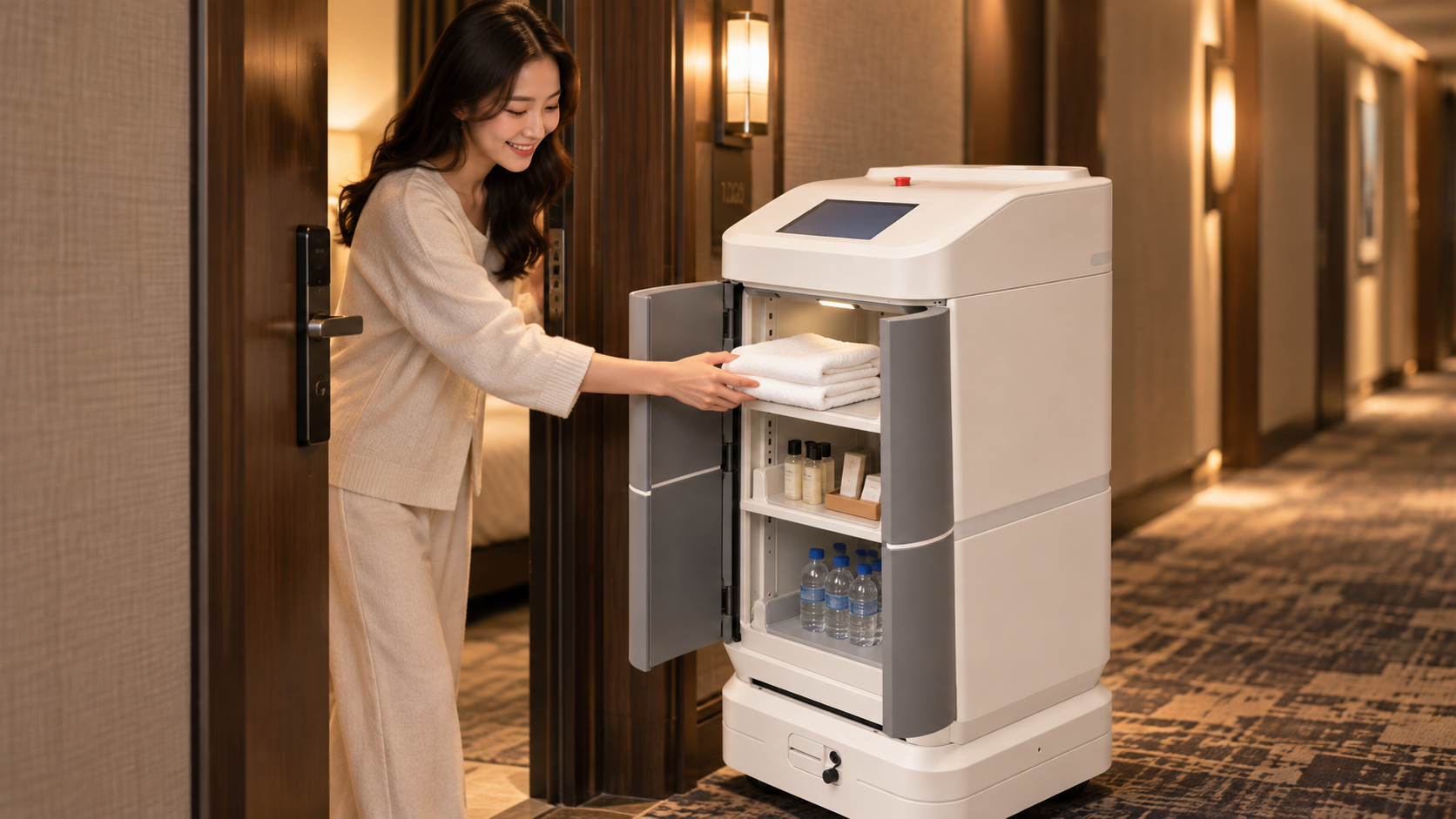
Which hotel workflows usually fit best?
The strongest fit is frequent point-to-point movement of suitable amenities or service items between defined hotel service points and guest-floor destinations.
Stable pickup and destination points make missions easier to map, test and own operationally.
- Repeated towel or toiletry requests
- Defined guest-floor destinations
- Routine amenity delivery
- Predictable corridors and service points
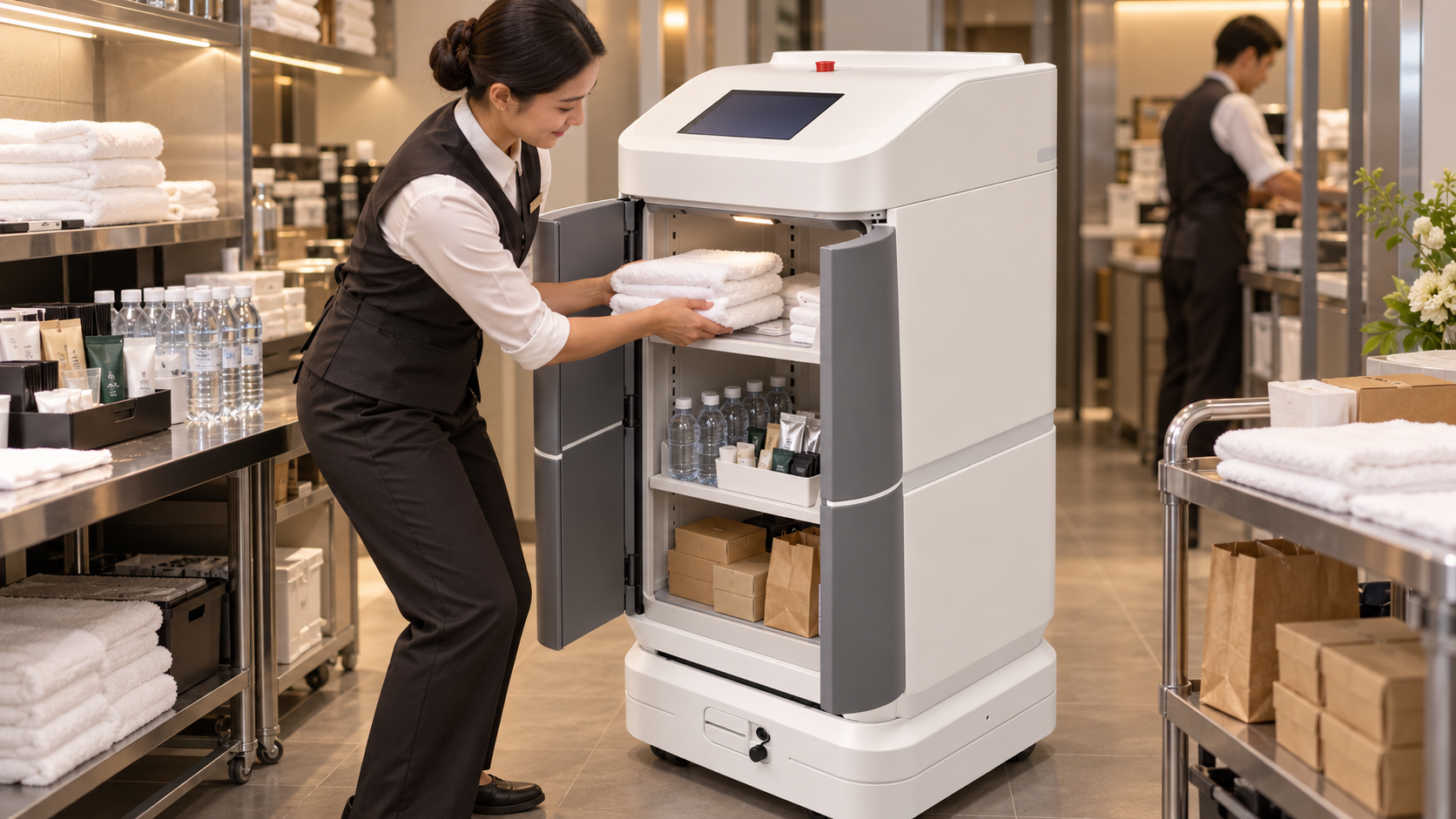
When may a robot add little value?
Very low delivery volume, constantly changing routes, unsuitable access conditions or unclear hand-off responsibility can weaken the business case.
A robot should solve a measurable service workload rather than be purchased only as a technology showcase.
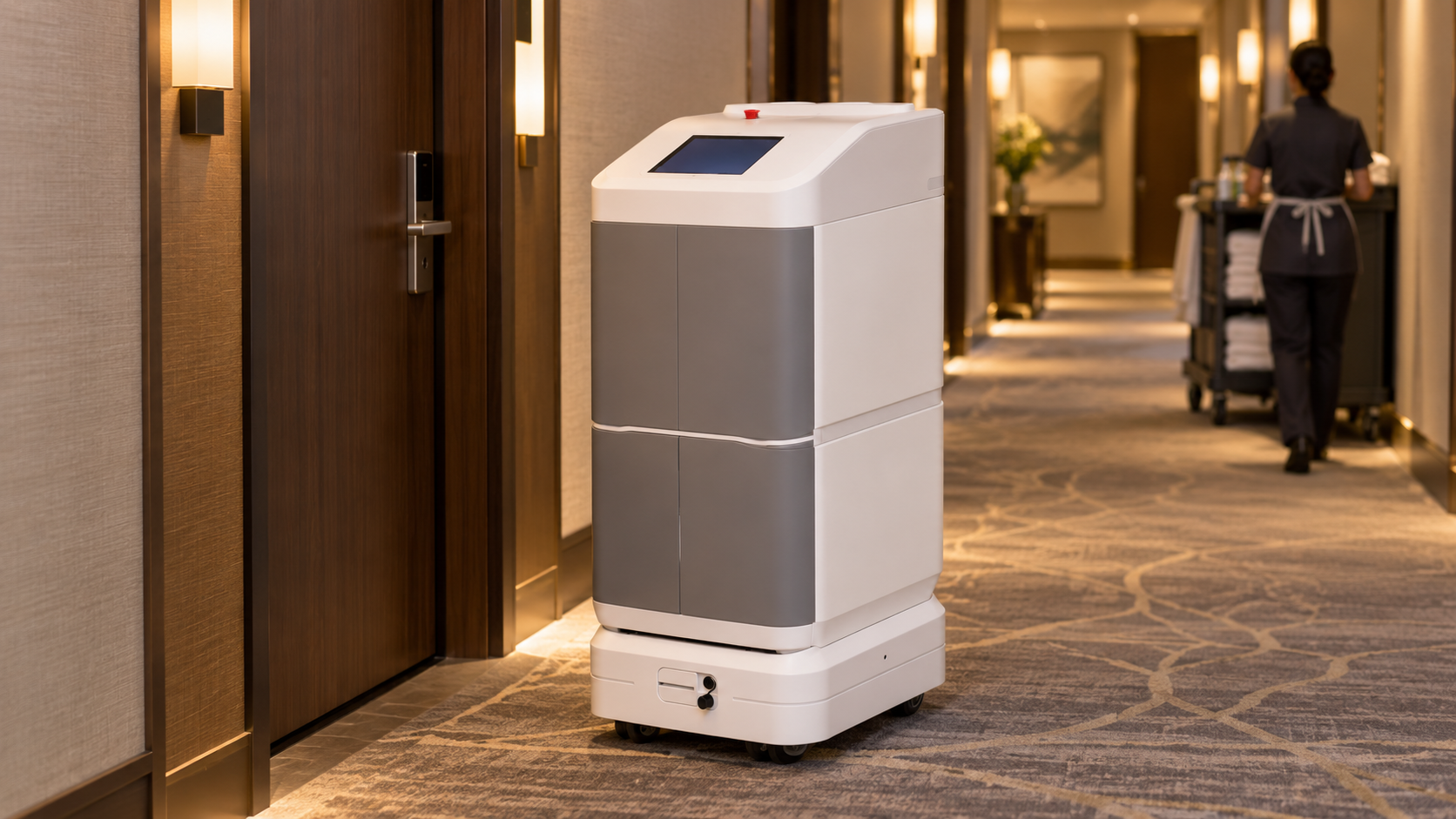
What should the hotel measure?
Measure trips per day, staff walking time, route distance, waiting time, exceptions, payload types and peak delivery windows.
Use property data rather than generic savings percentages.
- Trips per shift
- Distance and staff time
- Peak request windows
- Failed or delayed hand-offs
- Current staff travel workload
Compare total project cost with the current workflow
The business case should include hardware, commissioning, integrations, maintenance, support and recurring software where applicable.
The result depends on the property workload and service design, not a universal ROI percentage.
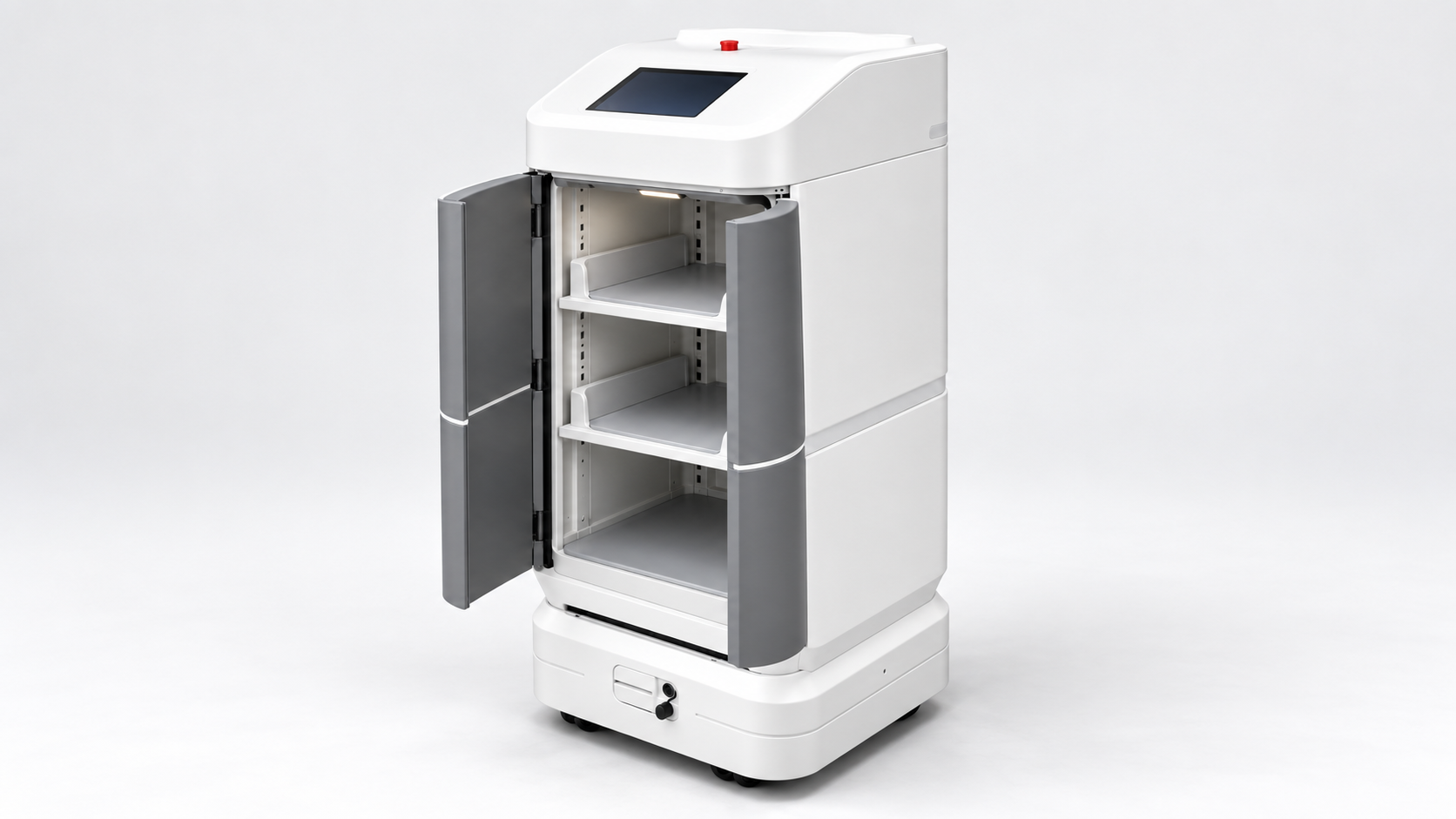
Pilot one measurable hotel route first
A focused pilot can validate route reliability, guest hand-off, traffic interaction, charging and exception ownership before broader rollout.
Choose a real operating route rather than only an empty demonstration corridor.
Frequently asked questions
Does a hotel delivery robot replace hotel staff?
RIFE positions robots for selected repetitive delivery journeys while staff remain responsible for hospitality, judgement, exceptions and guest relationships.
How should ROI be calculated?
Use real delivery volume, staff time, route distance, total project cost and measurable service outcomes rather than a generic percentage.
Should we start with one route?
For many properties, one clearly defined guest-service route is the most practical way to validate operational fit before scaling.