Is a Commercial Cleaning Robot Worth It?
A commercial cleaning robot is most attractive where large repeatable floor areas require frequent cleaning and the facility can define stable routes and operating windows. It is not automatically the right answer for every building.
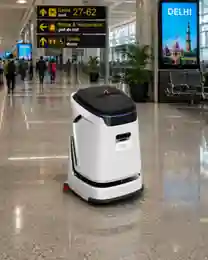
When does autonomous cleaning make sense?
The strongest fit is frequent routine floor cleaning over sufficiently large areas where repeated manual driving consumes meaningful staff time.
Malls, airports, hospitals, offices, campuses and warehouses can all be suitable when floor conditions and operating windows support the selected platform.
- Large recurring cleaning areas
- Predictable cleaning windows
- Suitable floor surfaces
- Repeatable mapped routes
- Staff time consumed by routine floor care

When might it not be worth it?
Very small areas, heavy clutter, constantly changing layouts, unsuitable floors or low cleaning frequency can weaken the business case.
A robot should solve a measurable cleaning workload, not be purchased only because autonomous technology looks attractive.
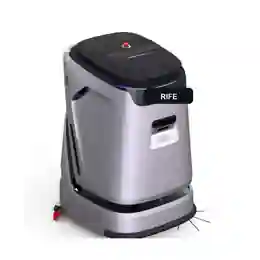
What should a facility measure?
Measure floor area, cleaning frequency, hours per shift, manual driving time, interruptions, operating windows and the amount of repeatable coverage.
Use site-specific operating data rather than generic savings percentages when estimating value.
- Square metres cleaned
- Cleaning cycles per day
- Manual hours spent on routine floor care
- Peak people traffic
- Exceptions and blocked areas
- Current cleaning quality requirements

Use total project cost, not hardware price alone
ROI should include hardware, commissioning, software, maintenance, consumables, support and any recurring project costs.
A lower hardware price may not be the lower-cost deployment if support, maintenance or site adaptation requirements are higher.
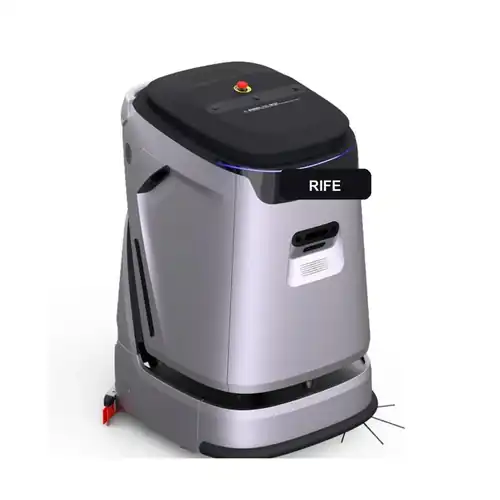
Pilot one measurable cleaning zone first
A focused pilot on one real zone can prove route reliability, cleaning coverage, intervention rate and operator acceptance before wider rollout.
The pilot should run under normal traffic and floor conditions rather than only in an empty demonstration area.
Frequently asked questions
How should cleaning robot ROI be calculated?
Use real floor area, cleaning frequency, labor hours, project cost, maintenance and measurable service improvements rather than a generic percentage.
Does a cleaning robot replace cleaners?
RIFE positions autonomous cleaning for selected repetitive floor-care tasks while people remain important for edges, exceptions, complex cleaning and service judgement.
Should I start with one zone?
For many facilities, one clearly defined zone is the best way to validate cleaning quality, route reliability and operational ownership before scaling.