How to Deploy and Maintain a Commercial Cleaning Robot
A successful cleaning-robot deployment combines site preparation, mapping, cleaning-mode configuration, charging and water planning, real-condition testing, operator training and a simple maintenance routine.
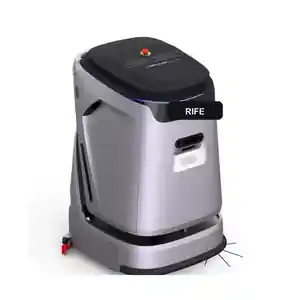
Start with the actual cleaning workflow
Document the floor type, area, cleaning method, current schedule, obstacles, traffic, charging and water-handling requirements.
This creates the baseline for configuration and later acceptance testing.

Map zones and configure the cleaning task
Commission approved cleaning zones, restricted areas, schedules and the selected cleaning mode for the real site.
Routes and operating rules should reflect the facility team’s cleaning plan rather than an arbitrary demonstration path.
Test under normal operating conditions
Acceptance should check cleaning coverage, obstacles, people traffic, charging, water handling, interventions and recovery from exceptions.
The goal is to prove the complete workflow, not only autonomous movement.

Keep daily checks simple and assigned
Operators should follow a documented routine for consumables, brushes or pads, tanks, debris, sensors, charging and visible damage as applicable to the selected platform.
The exact checklist should follow the manufacturer’s requirements for the configured robot.
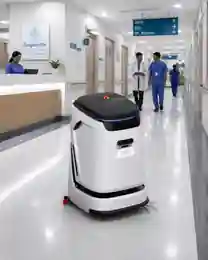
Plan preventive maintenance before go-live
Agree who performs scheduled maintenance, how wear parts are supplied, how faults are escalated and what support response is included.
Preventive service is part of uptime planning and should not be treated as an afterthought.
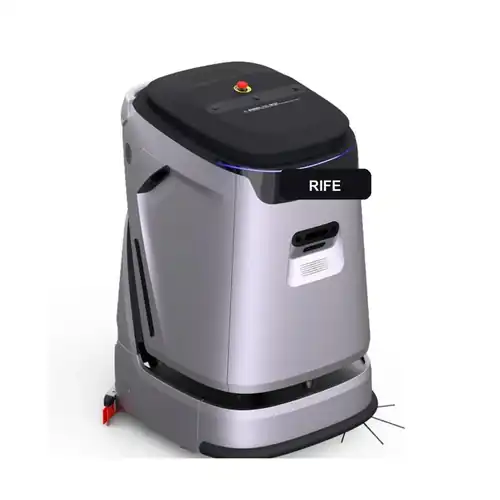
Control changes to the environment
Major furniture changes, new obstacles, route changes or different cleaning windows should be reviewed and revalidated where they affect operation.
Stable operating ownership is one of the most important factors in long-term reliability.
Frequently asked questions
How often does a cleaning robot need maintenance?
The exact interval depends on the selected platform, operating hours, floor conditions and manufacturer requirements; the maintenance schedule should be documented in the project scope.
Who should perform daily checks?
The facility should assign a trained operator or owner for routine checks, consumables, charging and exception escalation.
Should routes be retested after layout changes?
Yes, significant changes that affect robot movement or cleaning coverage should be reviewed and revalidated.